
Quick Answer
A tax paid after the due date can add updating, surcharges, and, when applicable, a fine. To know the real cost, identify the obligation, period, deadline, payment date, and original amount; generate a current payment slip and keep the calculation, acknowledgment, and receipt.
A tax paid late can generate updating, surcharges, and, depending on the case, a fine; calculate with actual dates and keep evidence.
Don't Use an Isolated Rate
The total depends on dates, period, and situation. Calculate using the current procedure and the real case.
Separate Each Component
| Concept | What It Represents | What to Validate |
|---|---|---|
| Tax | Original Contribution | Period and Base |
| Updating | Change in Value | Dates and Factor |
| Surcharges | Failure to Pay on Time | Rate and Months |
| Fine | Applicable Sanction | Assumption and Notification |
Regularization Without Losing Traceability
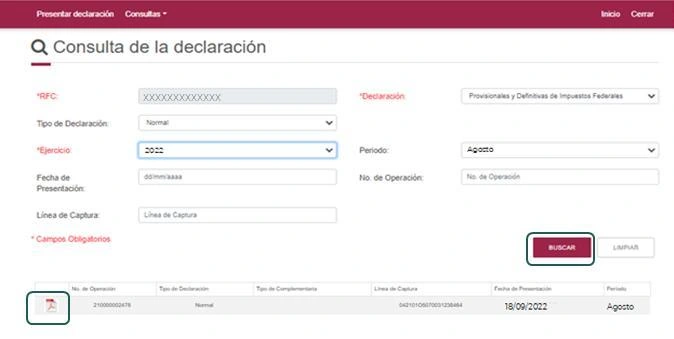
- Confirm obligation and due date.
- Download declaration and acknowledgment.
- Calculate accessories as of the actual date.
- Generate current payment slip and pay.
- Reconciliation and save the file.
What Can Be Added to a Past-Due Payment
Paying late can add updating, surcharges, and, depending on the case, fines. These are different concepts: updating reflects the change in value, and surcharges compensate for the lack of timely payment.
The correct calculation starts from the tax and the actual period. Avoid memory estimates; use the official application or procedure and keep the working paper.
Data to Quantify the Delay
- Obligation, period, and deadline.
- Original declaration and acknowledgment.
- Pending tax or difference.
- Expected payment date.
- Current payment slip and bank receipt.
Case: declaration filed, payment pending
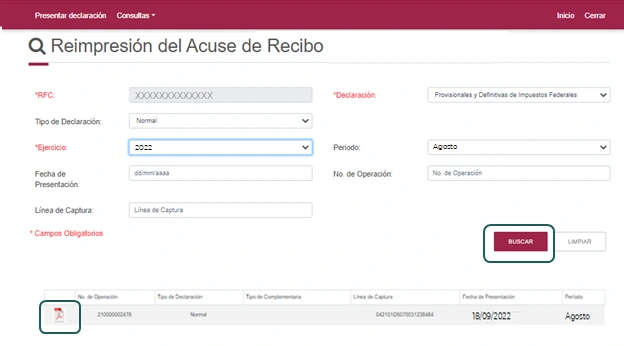
A company submits the declaration on time, but the payment slip expires without payment. Before generating another, confirm the status of the process, update the calculation through the applicable channel, and document tax, updating, surcharges, and actual payment date. Do not add an automatic fine without checking if it exists and why.
Filing and paying are different milestones; the file must demonstrate both and calculate accessories up to the effective date.
— Fintax
Sources and Readings to Continue
Consult official sources: Federal Tax Code, SAT calendar, declaration service.
To complete the process within Fintax, review: consultation of declarations and payments, review of the Tax Mailbox, tax cash flow planning.
Frequently Asked Questions
Does filing the declaration stop surcharges?
Not necessarily; distinguish between filing date and actual payment date.
Is there always a fine?
Do not add it by default. Check the assumption, authority action, and applicable rules.
Is it advisable to pay as soon as possible?
In general, prolonged delay can increase accessories; first validate the amount and the current payment slip.
Errors When Regularizing
- Calculating from the wrong date.
- Paying an expired payment slip.
- Confusing filed declaration with paid obligation.
- Not saving the accessory calculation.
What to Do Now
Turn this review into a file with responsible person, date, source, and evidence. If there is a material difference, an overdue obligation, or a decision that changes the calculation, validate the case with the person responsible for your accounting before filing, canceling, or paying.