

Most tax problems don’t appear on payment day. They build up weeks before, when the business collects late, pays expenses without CFDI, doesn’t separate VAT, mixes accounts, or fails to estimate fees and returns.
If debts or discrepancies already exist, the SAT maintains information on tax regularization. But for a healthy business, the first strategy should be to anticipate amounts, dates, and documentation.
What a simple tax projection should include
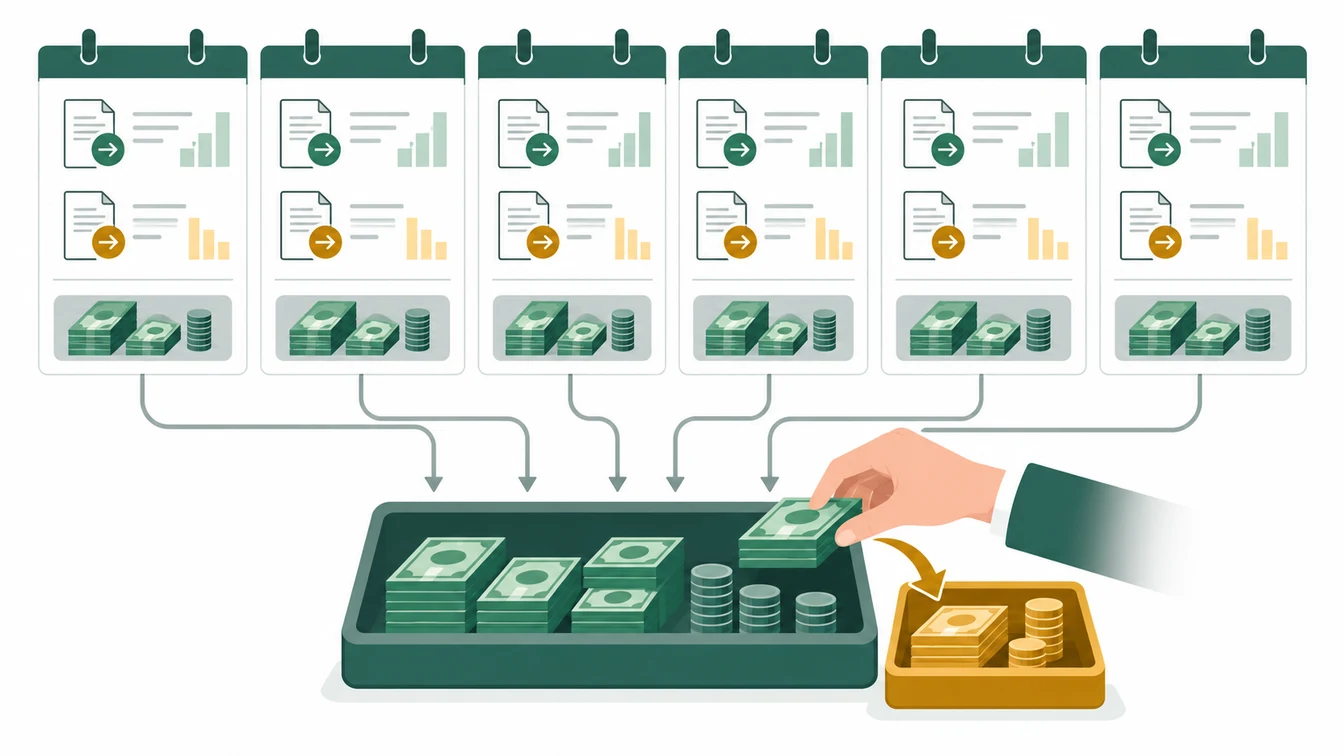
| Element | Why it matters |
|---|---|
| Estimated taxes | Avoid discovering the amount when there is no cash left. |
| Fees and payroll | Separate labor and social security obligations. |
| VAT receivable and payable | Shows if actual cash flow matches the tax. |
| Debts or adjustments | Determines if a payment plan or correction is needed. |
Recommended monthly routine
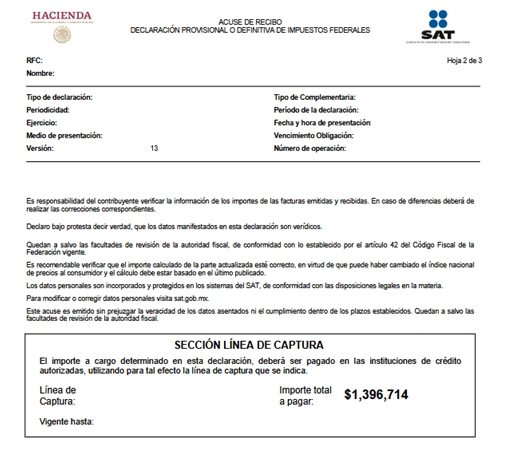
- Close bank accounts and CFDI before estimating taxes.
- Separate received collections from issued but uncollected invoices.
- Review unsupported expenses before considering them deductible.
- Estimate SAT, IMSS, and payroll payments before committing to new purchases.
- Keep receipts and proofs to validate actual cash flow against projections.
Signs of weak tax cash flow
- The full bank balance is used without setting aside taxes.
- Taxes are paid late because clients haven’t paid.
- Accounting profit is confused with available cash.
- There is no updated list of debts, balances, or payment references.
Questions for management
- How much estimated tax is reserved each week?
- Which clients concentrate collection risk and affect taxes?
- Which recurring expenses are not documented on time?
- Which debts or discrepancies could grow if not corrected?
How Fintax can help
Fintax can help you turn taxes into a cash flow projection: dates, estimates, documentation, risks, and actions. This way, the business doesn’t decide blindly when a payment reference arrives.