

Quick Answer
To depreciate a fixed asset, identify the asset, original amount, acquisition and use date, applicable percentage, and subsequent movements. Keep CFDI, payment, custody, and accounting and tax schedules; do not assume both depreciations match.
Classify assets, record the original amount, apply percentages, and keep custody, CFDI, payment, and depreciation calculation.
Confirm the Applicable Percentage
The nature and use of the asset determine the treatment. Review the current law before finalizing the calculation.
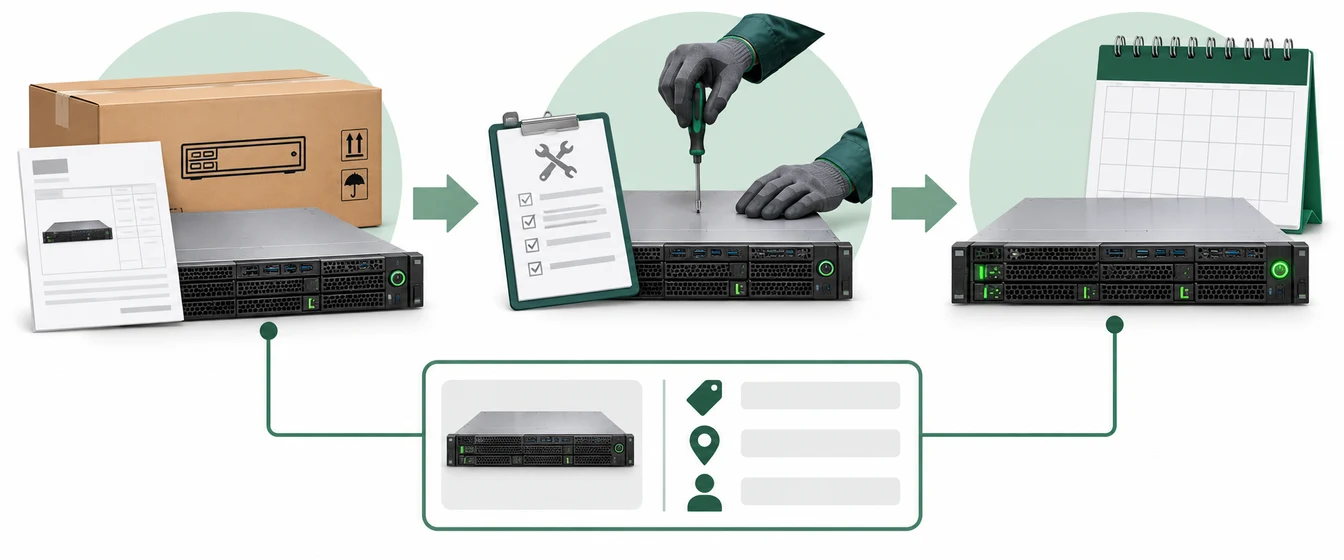
File by Asset
- CFDI, contract, and proof of payment.
- Acquisition date and start of use.
- Original amount and related costs.
- Location, responsible person, and internal number.
- Separate accounting and tax calculation.
Asset Master Record
| Data | Question | Evidence |
|---|---|---|
| Nature | Does it benefit multiple periods? | Description and use |
| Amount | What costs are included? | CFDI and contract |
| Date | When was it available? | Receipt and registration |
| Disposal | Was it sold or removed? | Record and CFDI |
Asset, Expense, and Temporary Difference
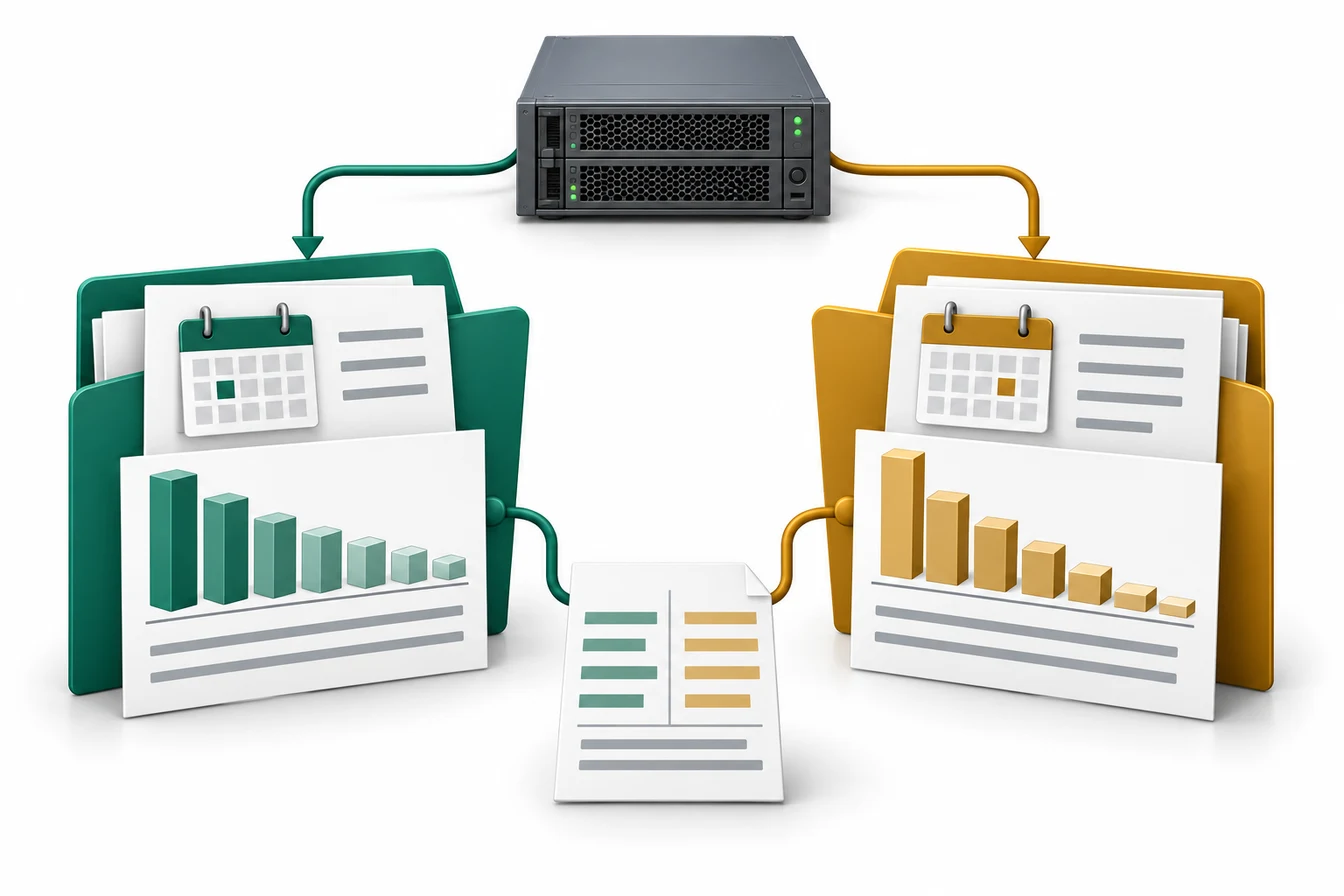
A fixed asset generates benefits over more than one period and requires control from acquisition to disposal. Accounting depreciation and tax deduction may follow different schedules; both must be documented.
The asset inventory must allow locating the asset, knowing who uses it, and reconstructing acquisitions, improvements, depreciation, and disposal.
Example: Equipment Recorded as Expense
A company buys equipment to use for several years and records it entirely as an expense for the month. Before closing, it reviews nature, availability date, original amount, components, and applicable percentage. It also creates a physical custody record and reconciles the asset with the CFDI and payment.
Classifying the asset correctly from purchase avoids correcting depreciation, VAT, custody, and results at year-end.
— Fintax
Asset Life Cycle
- Classify the acquisition.
- Record amount and date.
- Assign custody.
- Calculate accounting and tax depreciation.
- Reconcile additions, disposals, and balance.
Sources and Further Reading
Consult official sources: ISR Law, CFDI requirements.
To complete the process within Fintax, review: annual corporate tax return, fiscal year-end closing, CFDI validation.
Common Asset Control Errors
- Recording every durable purchase as an expense.
- Omitting costs that form part of the investment.
- Not disposing of sold or lost assets.
- Using a single schedule for accounting and tax.
Frequently Asked Questions
Should accounting and tax depreciate the same way?
Not necessarily. Keep separate schedules and reconcile the difference.
When does depreciation start?
Document acquisition, availability, and use; apply the corresponding accounting and tax criteria.
What about an improvement?
Evaluate if it maintains, repairs, or increases benefits; do not classify it by the supplier's name.
What to Do Now
Turn this review into a file with responsible person, date, source, and evidence. If there is a material difference, an overdue obligation, or a decision that changes the calculation, validate the case with your accounting responsible before filing, canceling, or paying.