
Quick Response
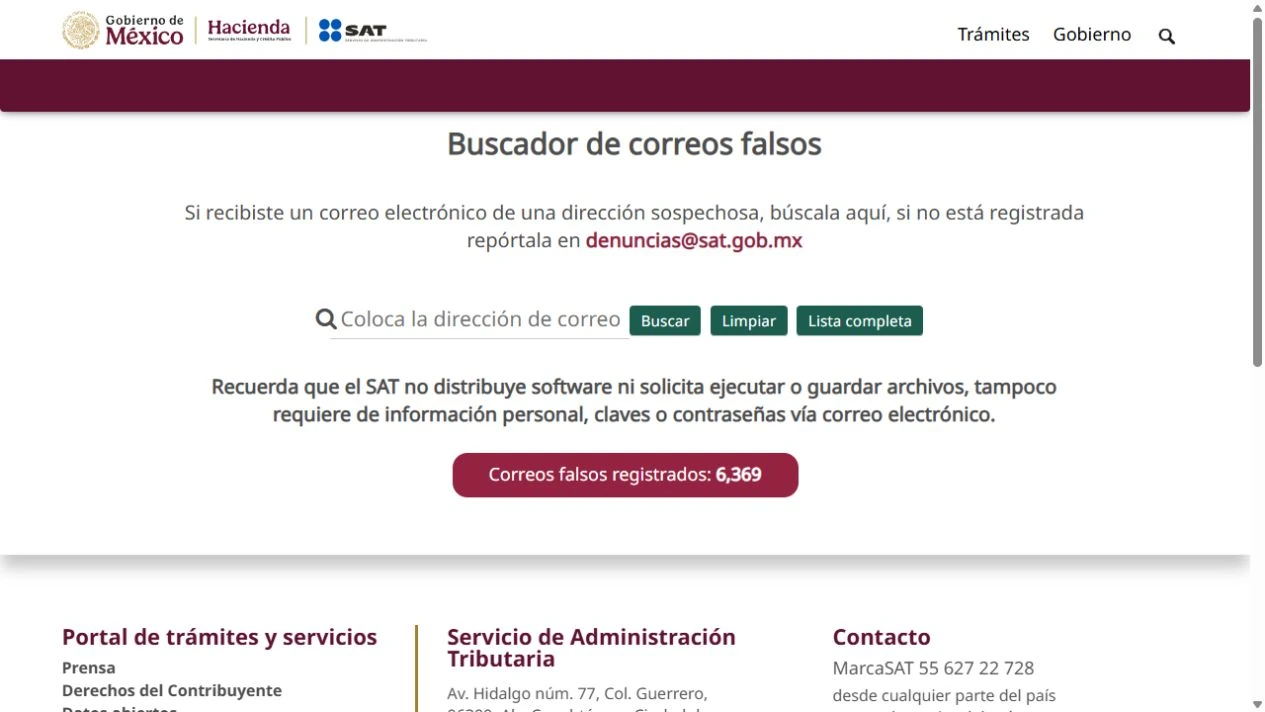
If you receive a message from the SAT, log in to the portal and Tax Mailbox on your own, verify the document, classify its effect and deadline, and respond only with related evidence. Do not open links or make payments from the received email or message.
When you receive a message from the SAT, verify its authenticity, distinguish between an invitation letter and a requirement, and respond with a controlled file and deadline.
Publicación de InstagramMostrarOcultar
Original Fintax video: how to stop fearing the SAT through verification, organization, and support.
Before Acting
Never share your password, e.firma, private key, or access codes via email or messaging. The SAT does not require you to provide these credentials to review a document.
What This Means in Practice
Not every communication from the SAT has the same effect. A reminder, an invitation letter, and a formal requirement demand different responses. The first task is to authenticate and classify the document, not to pay or send information through the received link.
PRODECON highlights specific rights in persuasive compliance, including clearly knowing inconsistencies and receiving guidance. This does not eliminate the need to meet deadlines of a formal act or to keep the response file.
Decision Map
| Communication | Signal | First Action |
|---|---|---|
| Reminder | No attached resolution | Verify obligation |
| Invitation Letter | Persuasive inconsistency | Analyze and document |
| Requirement | Act and deadline | Immediate control |
| Suspicious message | Strange link or domain | Do not open; validate on portal |
Review Checklist
- Verify the communication within the portal or Tax Mailbox without using links from the message.
- Identify if it is a notice, invitation letter, requirement, or formal act.
- Record the notification date and exact deadline.
- Gather declaration, CFDI, bank statements, and related documents.
- Define response, responsible party, and proof of submission.
Step by Step
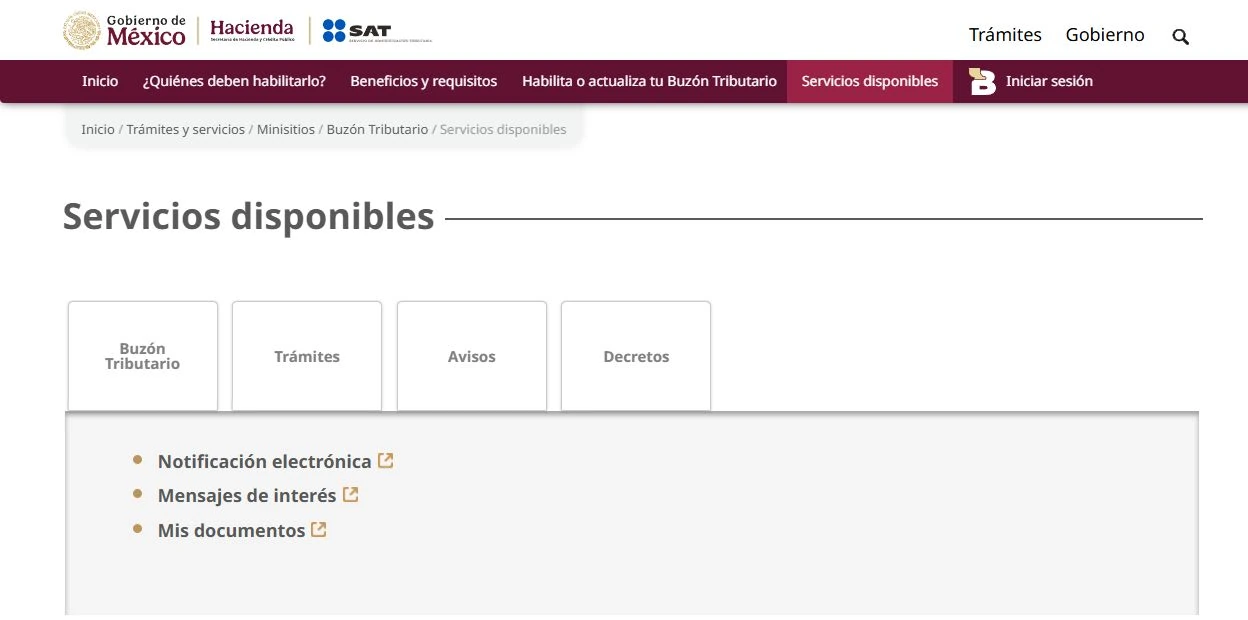
- Authenticate the communication through official channels.
- Classify document, authority, period, and deadline.
- Build a timeline and file of the matter.
- Determine if clarification, correction, payment, or response is required.
- Send via official means and keep the receipt.
Frequently Asked Questions
Do I have to respond to every invitation letter?
Its nature is not identical to a formal requirement, but it is advisable to review the inconsistency and decide on a documented response. Do not ignore a possible underlying issue.
How do I know if the email is real?
Do not use its links. Log in on your own to the portal and Tax Mailbox, verify the folio, sender, RFC, and available documents.
Can I send all my files just in case?
No. Submit only what is necessary through official channels, with an index and explanation. Avoid exposing information unrelated to the matter.
Official Sources and Related Readings
Consult official sources: PRODECON rights in invitation letters, Federal Fiscal Code, compliance status consultation.
Continue with these Fintax guides: regularization of Negative Compliance Opinion, guide to consulting monthly declarations and receipts.
What to Do Now
Keep the diagnosis, consulted source, date, responsible party, and evidence of each decision. If there is a material difference, an overdue obligation, or a formal act from the SAT, review the complete file before submitting an amendment, paying, or responding.