

Quick Answer
To avoid phantom profits, reconcile physical inventory, inflows, outflows, shrinkage, returns, and CFDI. Cost of sales is not simply what was purchased: it must represent what was actually sold using a consistent method and evidence for each movement.
Reconciling purchases, stock, shrinkage, and sales prevents phantom margins and reveals operational discrepancies before closing.
No Adjustments Without Cause
An adjustment that balances the account but does not explain the transaction hides the problem and complicates future audits.
Case: High Margin, Empty Warehouse
A business records purchases and sales but not inflows, outflows, or shrinkage. The income statement shows a high margin while the warehouse loses product. A count reveals discrepancies. The correct closing adjusts causes, not just quantities: receipt, picking, return, shrinkage, theft, or unit error.
If the physical inventory does not support the accounting balance, profit and cost cease to be reliable information.
— Fintax
Why Purchases Are Not Equal to Cost
Cost of sales explains how much the sold goods cost; it does not automatically equal the month’s purchases. To calculate it, you need beginning inventory, inflows, movements, and ending inventory using a consistent method.
Quality depends on the warehouse. If purchases use one unit and sales another, or if returns do not re-enter the system, accounting receives incomplete data.
Minimum Inventory Control
- Unique catalog of products and units.
- Inflows linked to receipt and CFDI.
- Outflows linked to sale or consumption.
- Authorized recording of shrinkage and returns.
- Cycle counts and accounting reconciliation.
Diagnosis of Differences

| Difference | Possible Cause | Evidence |
|---|---|---|
| Physical Less | Unrecorded shrinkage or outflow | Report and movement |
| Physical More | Pending inflow | Receipt and invoice |
| Strange Cost | Incorrect unit or price | Catalog and purchase |
| Unstable Margin | Return or cutoff | Sale and note |
Where Differences Originate
- Duplicated products or incompatible units.
- Invoice inflows without physical receipt.
- Returns without reverse movement.
- Global adjustments without cause or authorization.
Frequently Asked Questions
Can I use purchases as cost?
Not automatically. You must consider what was sold and what remains in stock.
How often should I do a count?
Depending on volume and risk; combine annual inventory with cycle counts of critical products.
How do I document shrinkage?
Define policy, authorization, evidence, quantity, cause, and accounting-fiscal treatment.
Inventory Closing in Five Steps
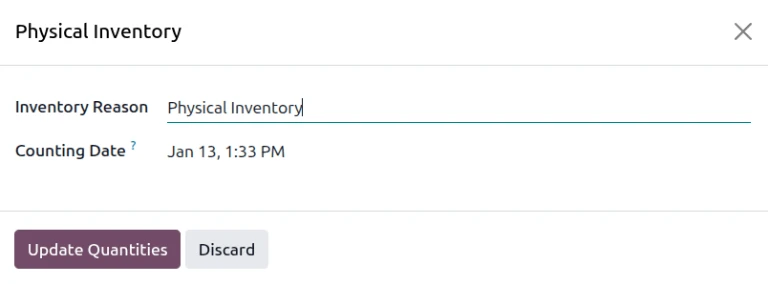
- Normalize catalog and units.
- Close inflows and outflows.
- Perform physical count.
- Investigate differences by cause.
- Approve adjustments and recalculate margin.
Sources and Further Reading
Consult official sources: ISR Law, Federal Fiscal Code.
To complete the process within Fintax, review: monthly closing controls, mid-year fiscal closing, CFDI review.
What to Do Now
Turn this review into a file with responsible person, date, source, and evidence. If there is a material difference, an overdue obligation, or a decision that changes the calculation, validate the case with your accounting responsible before submitting, canceling, or paying.