
Quick Answer
Not issuing an invoice does not prevent income from appearing in bank records or other cross-checks. Classify each deposit, issue the corresponding CFDI, record sales, and keep contracts or transfers that prove loans, contributions, and transfers.
The SAT can compare deposits, accounting, CFDI, and tax returns; it identifies each credit and documents transactions that are not sales.
Publicación de InstagramMostrarOcultar
Original Fintax publication: why income without an invoice can still cause discrepancies with the SAT.
Before Acting
Do not invent concepts for old deposits. If evidence is missing, document the limitation and evaluate the tax effect before reclassifying.
What This Means in Practice
A client not requesting an invoice does not make the income invisible. Taxpayers obligated to do so must issue CFDI for their operations, including through global receipts when applicable, and record what was actually carried out according to their tax regime.
Article 59, section III, of the CFF (Federal Tax Code) includes a presumption related to bank deposits that do not correspond to accounting records. This does not mean every deposit is income, but loans, contributions, transfers, and reimbursements require identification and evidence.
Decision Map
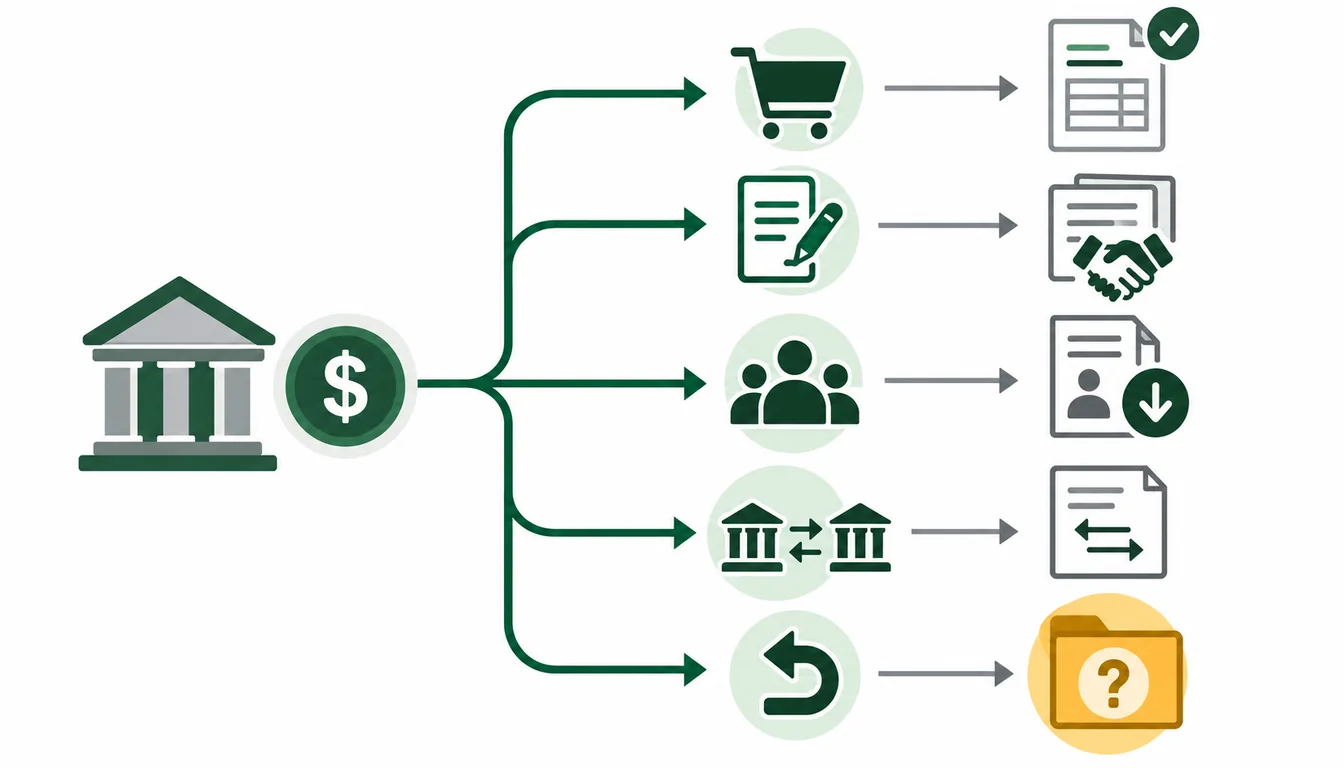
| Deposit | Expected Support | Record |
|---|---|---|
| Sale | Order, collection, and CFDI | Income |
| Loan | Contract and transfer | Liability |
| Contribution | Agreement and bank record | Capital |
| Transfer | Origin and destination | Movement between accounts |
Review Checklist
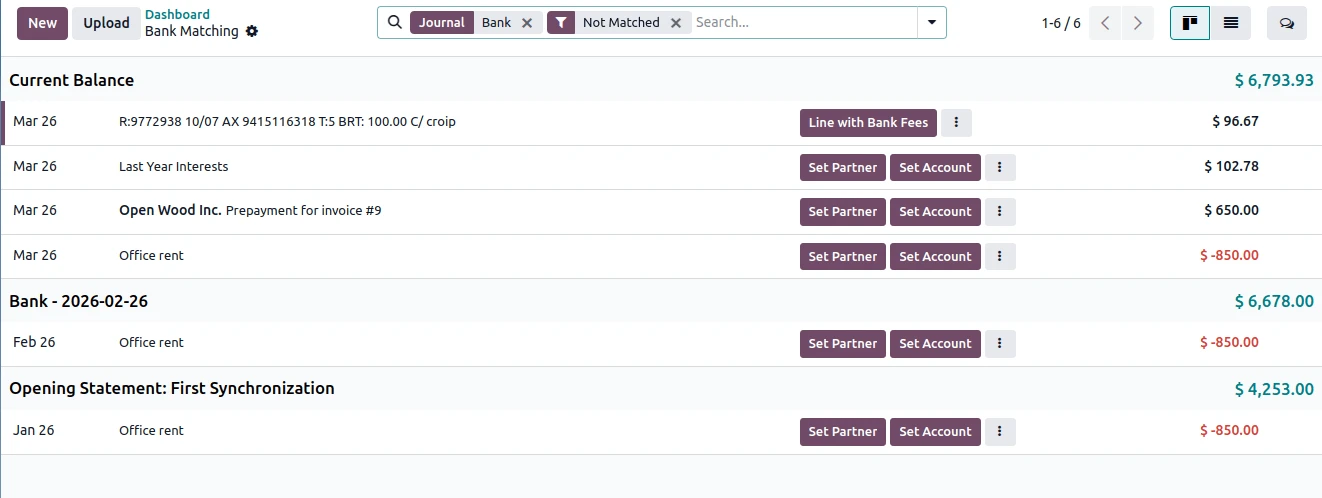
- Export all bank transactions for the period.
- Link each credit to a sale, loan, contribution, transfer, or reimbursement.
- Match income with the corresponding CFDI and tax return.
- Document transactions that are not income with sufficient support.
- Resolve unidentified deposits before closing the month.
Step by Step
- Download bank and CFDI data for the period.
- Classify each deposit with a unique key.
- Issue or link the corresponding receipt.
- Document non-taxable or non-income transactions.
- Reconcile against the tax return and reduce exceptions to zero.
Frequently Asked Questions
Does every bank deposit pay tax?
No. It can be a sale, loan, contribution, transfer, or reimbursement, among other concepts. The nature must be proven and properly recorded.
If the client does not request an invoice, can I omit it?
This should not be assumed. The obligation to issue CFDI for operations and income does not depend solely on the client’s request; check the applicable global receipt.
Is a transfer between my accounts income?
Not by itself, but you must link origin and destination so the reconciliation shows it is the same resource.
Official Sources and Related Readings
Consult official sources: Articles 28, 29, 29-A, and 59 of the CFF, SAT invoice generation, accounting integration.
Continue with these Fintax guides: CFDI invoicing guide, monthly business reconciliation.
What to Do Now
Save the diagnosis, consulted source, date, responsible party, and evidence for each decision. If there is a material discrepancy, overdue obligation, or formal SAT action, review the full file before filing an amendment, paying, or responding.