

A payroll CFDI in Mexico is not just the receipt delivered to an employee. It is a tax document that connects compensation, withholdings, subsidies, incidents, bank payments, accounting and employer obligations. When issued with errors, the issue may not appear immediately; it can surface later in tax returns, deductions, payroll reviews or employee clarifications.
SAT maintains information about the payroll receipt. From that official base, each employer needs its own process: capture correct data, review incidents, stamp on time, deliver receipts and reconcile against payments and taxes. The quality of the CFDI depends on the full payroll operation, not only on the software that stamps it.
What a useful payroll CFDI guide should solve
People searching this topic usually have a concrete problem: how to issue receipts without errors, how to correct employee data, what to review before stamping or why payroll does not match bank payments. The practical answer begins with a simple idea: a correct receipt is built before stamping, not after.
Do not leave it to the last day
Payroll combines tax, labor and banking information. If incidents, hires, terminations or salary changes arrive late, the CFDI can be stamped with incomplete data even if the calculation looks correct.
Base data that must be clean
- Employee RFC, name and tax regime validated against updated documentation.
- CURP, social security number and employment data consistent with the employee file.
- Payment frequency, contract type, working schedule, salary and role reviewed.
- Bank account or payment method confirmed when applicable.
- Earnings and deductions mapped correctly in the payroll system.
- Authorized incidents before calculation: absences, disabilities, vacation, bonuses, commissions and discounts.
- Withholdings and subsidies reviewed according to the period calculation.
Recommended flow before stamping
| Stage | Typical owner | Minimum control |
|---|---|---|
| Incident cutoff | HR / operations | Authorized list with internal deadline. |
| Payroll calculation | Payroll / accountant | Review of earnings, deductions and net pay. |
| Tax validation | Accounting / tax | RFC, concepts, withholdings and subsidies reviewed. |
| Stamping | Payroll | CFDI issued and acknowledgments stored. |
| Payment and reconciliation | Treasury / accounting | Net paid matched against receipts and bank records. |
Common payroll CFDI errors
Many errors do not come from the stamping step. They come from prior information. An incorrect RFC, a late incident, a misclassified earning or a bank payment that does not match net pay can create discrepancies. Payroll should be reviewed as a cycle, not as a standalone emission.
- Stamping with outdated employee tax data.
- Classifying bonuses, travel expenses, discounts or disabilities under the wrong concept.
- Paying an amount different from the stamped net pay without documenting the difference.
- Cancelling receipts without a clear relationship to the replacement CFDI.
- Not reconciling stamped payroll against bank records, accounting and returns.
- Leaving severance, annual bonus or profit-sharing adjustments without prior tax review.
How to reconcile payroll CFDI
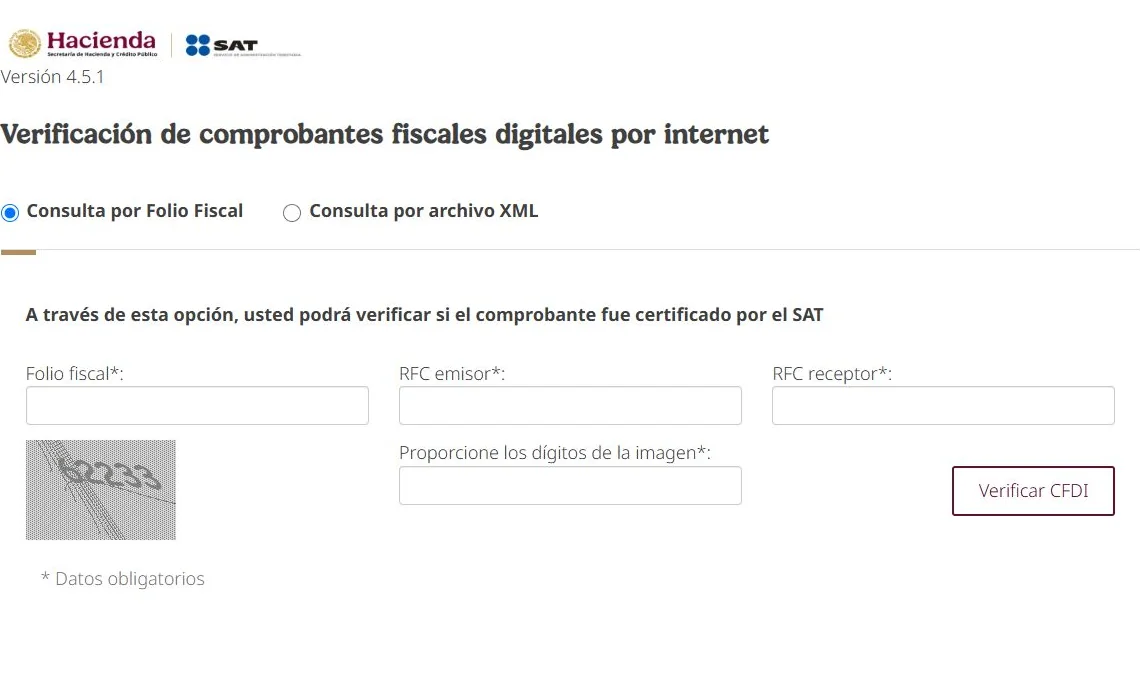
Reconciliation should confirm that what was stamped, paid and recorded tells the same story. They may not always match line by line, but differences should be explained. A good reconciliation reduces errors in deductions, withholdings and internal reporting.
| Comparison | What to look for |
|---|---|
| CFDI vs bank | Net payment matches or has a documented explanation. |
| CFDI vs accounting | Earnings, deductions and accruals are recorded correctly. |
| CFDI vs taxes | Withholdings and payments are supported by the period calculation. |
| Cancelled CFDI vs replacement | Clear relationship and cancellation acknowledgment. |
What to do when an error appears
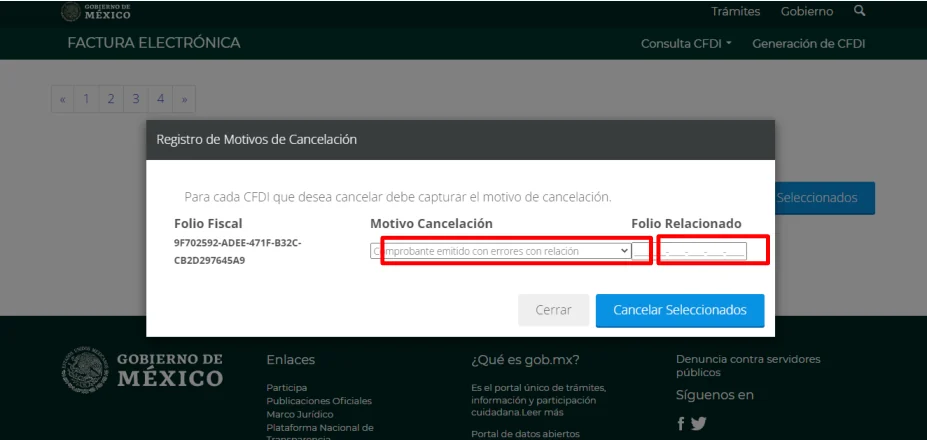
- Identify whether the error is employee data, concept, amount, period, payment or stamping.
- Stop new emissions with the same pattern until the cause is corrected.
- Ask the tax owner whether cancellation, replacement or an adjustment in a later period applies.
- Document the correction and preserve original CFDI, replacement CFDI and acknowledgments.
- Review whether the error affects returns, deductions, withholdings or internal reports.
A correct payroll CFDI is not achieved only by stamping. It is achieved by controlling data, incidents, payments and reconciliation.
— Fintax
Monthly control checklist
- Employee files updated.
- Incident calendar communicated to HR and operations.
- Pre-payroll reviewed before stamping.
- Issued CFDI stored with acknowledgments.
- Bank payments reconciled against net pay.
- Cancellations and replacements documented.
- Withholdings reviewed against returns.
Cases that need a second review
Some payroll periods deserve additional review because errors concentrate there. They should not be treated like ordinary payroll. Before stamping, confirm calculation, documentation, authorization and tax effect. When the team is working under pressure, these are the cases where a second look is most valuable.
| Case | What to review carefully |
|---|---|
| Termination or severance | Concepts, exemptions, withholdings, payment and labor support. |
| Annual bonus | Calculation base, exempt portion, withholding and payment date. |
| Profit sharing | Included employees, base, withholding and corresponding CFDI. |
| Bonuses or commissions | Policy, authorization, earned period and classification. |
| Disabilities | Support, paid days, subsidies and effect on earnings. |
How to communicate corrections to employees
When a receipt is corrected, internal communication matters. The employee should understand what changed and why without receiving confusing tax explanations. The company should keep the technical support, but the employee usually needs a clear explanation: corrected data, replaced receipt if applicable, net amount and date when the issue is regularized.
Practical case: bonus captured under the wrong concept
A common error appears when a bonus is captured under a concept that does not match its real nature. If the amount is correct but the tax concept is not, the company should review whether cancellation and replacement applies or whether another adjustment is appropriate with tax support. It should also review whether the withholding changes, whether the bank payment still matches net pay and whether accounting recorded the true nature of the payment. Fixing only the receipt without reviewing related effects leaves the issue unfinished.
Indicators of payroll under control
- Incidents arrive before the defined cutoff.
- Net payments match CFDI or have a documented explanation.
- Cancellations are exceptional and have an identified cause.
- Accounting can explain earnings, deductions and withholdings by period.
- Employees receive simple explanations when a correction exists.
Priorities if you cannot fix everything immediately
If payroll already has several periods with issues, prioritize what has the highest impact: employees with incorrect tax data, cancelled receipts without replacements, differences between net paid and net stamped, and withholdings that do not match returns. Then organize minor incidents and historical documentation. Priority should follow fiscal and operational risk, not the order in which someone discovered the error.
When that priority is documented, the team stops correcting isolated symptoms and starts correcting causes: master data, calendar, authorizations, concept mapping and reconciliation.
That is what makes the next payroll cycle easier to control.
Frequently asked questions
Does the payroll CFDI replace internal payroll control?
No. The CFDI documents the payment for tax purposes, but the company still needs employee files, authorizations, incidents, payments and reconciliations. The receipt is an output of the process, not the whole process.
What if employee tax data is incorrect?
The information should be corrected before issuing or adjusted according to the case. Stamping with incorrect data can create validation, deduction or later clarification issues.
When should the company request outside support?
Support is useful when there are many incidents, high turnover, frequent cancellations, bank differences, complex terminations or no reconciliation between payroll and accounting.
How Fintax can help
Fintax can review your payroll process, identify discrepancies, organize reconciliations and reduce errors before stamping. The goal is for each payroll CFDI to have operational, tax and accounting support.
Reconcile payroll in three totals
At each payroll close, compare the payroll calculation, issued CFDI and bank dispersal by employee and in total. Record cancellations or replacements separately. This three-way check makes it easier to locate whether a difference came from the calculation, the receipt or the payment.