
A company asks for a quote and wants to know whether you can issue an invoice. Before answering, organize five elements: who is selling, what the price includes, who receives the invoice, how payment works and what proves delivery. Being able to issue a CFDI, Mexico's electronic tax invoice, addresses one part of the transaction. Order acceptance, payment and delivery need their own evidence.
Identify the supplier before committing
Publicación de InstagramMostrarOcultar
Original Fintax Instagram publication about starting a business and invoicing first customers.
Your trading name can appear on the quote, but it does not replace the supplier's tax identity. If you sell as an individual, the issuer must correspond to your name and RFC, Mexico's taxpayer identification number. If a legal entity sells, its tax identity applies. The Federal Tax Code regulates RFC obligations and invoice issuance, including issuer information. Check that your registered activity and tax status match what you actually sell before accepting the order. CFF, Articles 27, 29 and 29-A, section I.
Do not use someone else's issuer identity
Do not ask a friend to invoice a sale you made or lend your RFC for someone else's sales. The invoice must correspond to the actual supplier and the transaction that took place. CFF, Articles 29 and 29-A.
Quote a price both parties understand
As a recommended commercial control, specify the items, quantities, price, payment terms and delivery arrangements. Where VAT applies, distinguish the taxable amount, tax and total. An ordinary domestic sale of taxable goods carries 16% VAT; the tax is charged separately and does not form part of its own taxable amount. This does not mean every business activity receives that treatment. VAT Law, Article 1.
Example: a first office-supply order
Assume you sell ordinary taxable office supplies to a company in Mexico. This is a domestic sale at 16%, with no border treatment, exemption, zero rate or VAT withholding in this example. The customer pays for the complete order in one payment. You agree on MXN 1,500 before VAT, and the goods cost MXN 1,000 excluding VAT. VAT on the sale is MXN 1,500 × 16% = MXN 240; the total is MXN 1,740. VAT Law, Article 1.
| Item | Amount | What it means | Useful supporting evidence |
|---|---|---|---|
| Agreed taxable amount | MXN 1,500 | Price of the goods before VAT | Accepted quote listing items and quantities |
| VAT charged | MXN 240 | Tax on this sale; not the final VAT payable | CFDI showing VAT separately |
| Customer payment | MXN 1,740 | Total collected; not profit | Payment record matched to the order |
| Cost of goods | MXN 1,000 excluding VAT | Assumed cost for comparing purchase and sale | Purchase document and goods record |
| Commercial margin | MXN 500 | MXN 1,500 less MXN 1,000, before other expenses and income tax | Comparison of this order's price and cost |
The MXN 500 is a commercial difference, not automatically a taxable base for income tax, known as ISR. Nor is MXN 240 necessarily the final VAT to remit: applicable VAT credits may affect that amount. Actual collection also matters for VAT; issuing an invoice does not, by itself, establish that you received payment. VAT Law, Articles 1 and 1-B. If the customer proposes deducting an amount, clarify what it represents before accepting and reconcile the amount received against the agreed amount.
From acceptance to delivery: five controls
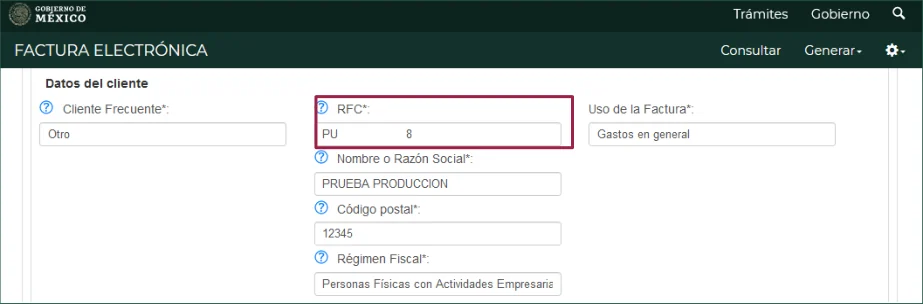
Confirm the recipient's RFC, name or registered legal name, tax-address postal code, tax regime and invoice tax use before issuance. SAT explains the required invoice information and clarifies that issuance cannot be conditional on providing a tax status certificate. Request the necessary information without requiring that document. The following steps are recommended controls; an accepted quote or delivery acknowledgment is not a universally required statutory form.
- Before accepting: verify who the supplier will be and that the supplier can lawfully issue the CFDI for that sale.
- When confirming: retain acceptance of the items, quantities, price, VAT, payment and delivery terms. Assign an order identifier.
- Before invoicing: confirm the recipient's tax information and explain who will issue the invoice corresponding to the sale.
- When collecting: connect the payment to the same identifier. An unpaid invoice remains an outstanding collection.
- When delivering: retain the date, items and acknowledgment of receipt. Keep acceptance, XML, payment record and delivery evidence together.
Do not close the transaction file simply because you sent a PDF. Keep the XML file too, and check that the information matches the order. If you discover an incorrect recipient, address the correction before treating the file as complete. Track three separate statuses: invoiced, paid and delivered. This makes it easier to identify what remains outstanding without confusing invoice issuance with a completed sale.
Frequently asked questions
Do I need to form a legal entity?
Not simply because you are selling to a company. The Federal Tax Code addresses obligations for individuals and legal entities. Base the decision on your operation, rather than the assumption that only an incorporated business can invoice. CFF, Articles 27 and 29.
Does being able to invoice guarantee business customers?
No. It does not guarantee contracts, credit or better prices either. You can clearly communicate your ability to document the sale, but you still need to agree on the order and deliver what you promised.
Does the invoice prove I have been paid?
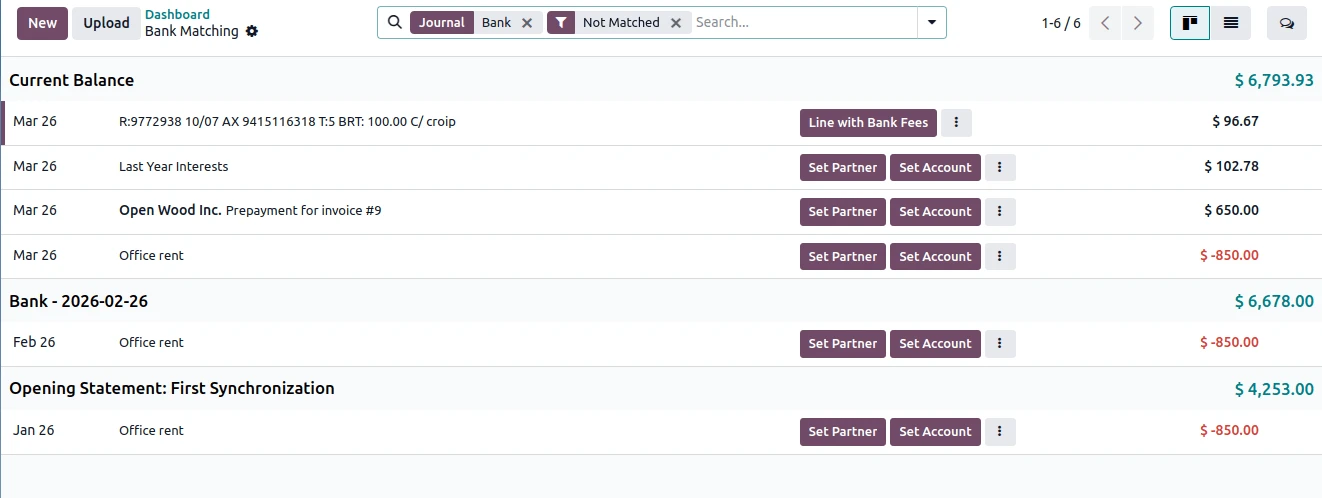
Not by itself. Verify the incoming payment and match it to the transaction. This distinction matters because the VAT Law considers when payment is actually collected. VAT Law, Article 1-B.