

Your tax bill is higher than you expected, and you cannot see why. Or you are about to start working for yourself in Mexico and need to choose a tax regime. These are different questions, but both are worth discussing with an accountant before you act.
You should leave the meeting knowing what was reviewed, which document is missing and what happens next. If the recommendation changes your tax, ask to see the calculation or authority behind it.
When the advice is worth paying for
Consider a consultation before starting a business, changing tax regimes or hiring an employee. It can also help when SAT reports a discrepancy you cannot explain. Describe your question when booking so the advisor can tell you which records to bring and whether one session is likely to be enough.
| Reason for the consultation | Result to expect |
|---|---|
| Tax regime | Comparison based on income, expenses, customers and filing duties |
| Tax return | Review of CFDI, withholdings, acknowledgments and calculation |
| SAT discrepancy | Likely cause, supporting evidence and correction method |
| Business growth | New obligations and controls that must operate each month |
If you received a notice with a response deadline, mention that deadline when you first contact the advisor. Send the notice through their secure document channel and include the date you received it. They need that information to assess the urgency before booking an ordinary consultation.
Accounting and tax are different jobs

Accounting records income, expenses, bank activity, CFDI, receivables and payables. Tax work uses those records to calculate ISR, VAT and withholdings, prepare returns and prove compliance to SAT.
The jobs overlap. An incorrectly issued CFDI changes the accounting records and may also change tax, deductions or withholdings. A bank deposit with no invoice starts as an unreconciled movement and may later create a discrepancy with declared income.
This is why an advisor may ask for an invoice and a bank statement even when your question is about a return. They need to understand the transaction before recommending a change to the reported amount.
Situations to review before acting
Ask before acting if:
- You are starting activities and do not know which regime to choose.
- Your income grew and you need to confirm whether you can remain in RESICO.
- You work with legal-entity clients that withhold taxes.
- You are going to hire employees or formalize payroll.
- SAT shows differences, pending obligations or a negative compliance opinion.
- You need to file an annual or monthly return with several income types.
- You changed activity, address, partners or payment method.
A review can also make sense when SAT has sent no notice but nobody has reconciled CFDI, bank accounts and returns. A quiet Tax Mailbox does not prove the records are current.
What you should receive afterward

The advisor needs your regime, activity, collection method, obligations and filing history before making a recommendation. A firm answer without those facts is a guess.
Ask for a written summary covering:
- Short diagnosis of the current situation.
- Discrepancies found and any applicable deadline.
- Missing documents needed to conclude.
- Calculation or criterion used, when relevant.
- Recommendation and the reason for choosing it.
- Actions, owners and dates.
- Assumptions that still require confirmation.
The advisor may need another document before giving you an answer. Agree on who will obtain it, when it will be reviewed and whether that follow-up is included in the consultation fee.
How to prepare
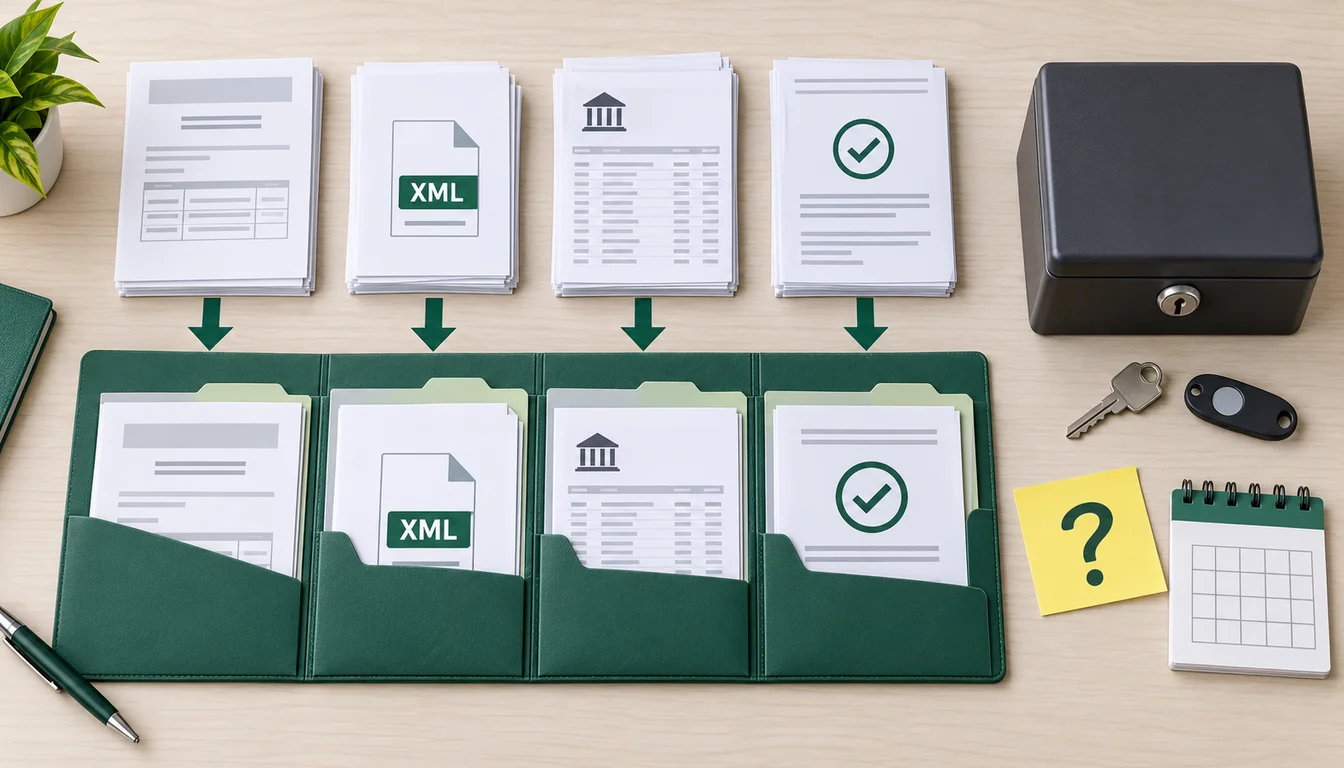

Do not send passwords or e.firma files over chat. For an initial review, prepare a summary and use the advisor's secure channel for any records.
| Data point | Why it helps |
|---|---|
| Current tax regime | Defines filing duties and calculation method |
| Activity you perform | Confirms whether the registered regime matches the business |
| Approximate income | Helps review limits and additional obligations |
| Issued and received CFDI | Can be compared with collections, expenses and returns |
| Returns and acknowledgments | Show which periods were filed and which are missing |
| Withholdings | Change ISR, VAT or the final balance |
If your question concerns an annual return, first check whether you must file. SAT lists who must file an annual return as an individual. If you are in RESICO, also bring your monthly payments and any notice affecting your eligibility.
Signs that one consultation is not enough
One consultation can settle a decision. Recurring work is a better fit when any of these problems keeps appearing:
- CFDI, bank accounts and returns disagree each month.
- You do not have acknowledgments, working papers or files by period.
- Your registered regime no longer matches your activity, income or customers.
- SAT shows obligations that nobody can explain.
- You are adding employees, owners or another line of business.
One consultation or monthly accounting
A consultation may be enough to understand a return or identify the right procedure. If you need someone to record transactions, reconcile bank accounts and prepare returns every month, ask for a monthly accounting proposal. Confirm who will do the work after the consultation and what it will cost.
The Fintax services scope shows how an initial consultation differs from recurring accounting work. You can use it to compare the deliverables in other proposals.
Frequently asked questions
What is accounting and tax advisory?
It is a professional review of accounting records, tax obligations, CFDI and returns meant to answer a defined question. It should end with a supported recommendation and steps to apply it.
When do I need tax advisory?
Before changing regimes, filing a complex return, correcting a SAT discrepancy, claiming a material deduction or hiring an employee.
What documents should I prepare?
Tax status certificate, obligations, acknowledgments, CFDI, an income summary, bank statements and withholdings. Write down the question you need answered. Do not share passwords or e.firma files through an insecure channel.
Does advisory replace monthly accounting?
No. A consultation answers a defined decision. Monthly accounting records transactions, reconciles accounts, files obligations and keeps the evidence for each period.
Define the decision before the meeting
Advisory work is more productive when the question is framed as a decision: what must be filed, what can be corrected, what evidence is missing and who will execute the next step. Send the relevant periods and documents in advance, then close the meeting with a written owner and deadline for each action.