
An official information request, an invoice that will not issue and an unexplained deposit can surface on the same morning. Addressing whichever feels most alarming may leave the issue with a real deadline unattended. An urgent review should create a work queue: what is confirmed, what still needs verification, who will act and what evidence will establish that the problem has been resolved.
Start with the deadline and operational impact
Publicación de InstagramMostrarOcultar
Original Fintax Instagram publication about signs that accounting needs urgent review.
If there is an official act, review its issuer, complete contents, attachments and notification record with the responsible accountant or lawyer. Articles 38, 134 and 135 of Mexico's Federal Tax Code (CFF) govern requirements for the act, notification and its effects. The date of an alert email does not replace that review. Record the legal deadline applicable to the specific act rather than assigning a generic response period.
Next, identify what is disrupting operations: issuing invoices, documenting sales or reconciling receipts. An issuance failure calls for checking the technical message and certificate status. It does not, by itself, confirm a temporary restriction of the digital seal certificate (CSD). That restriction has specific statutory grounds and procedures under Article 17-H Bis of the CFF; a bank discrepancy does not automatically trigger it either.
Worked example: three issues discovered that morning
Assume a small business has an authenticated official request with a confirmed response deadline that is still pending; a failure preventing invoice issuance, with no official cause for a CSD restriction confirmed; and a bank deposit of 15,000 pesos whose origin is unknown. The order below is a recommendation for this case, not a universal legal ranking. It can change if another deadline or a greater operational impact is verified.
| Priority | Confirmed fact | Missing information | Immediate action | Owner and closure |
|---|---|---|---|---|
| 1. Official request | Authenticated act; response pending | Documents needed to respond | Review scope, gather attachments and prepare the response before the confirmed deadline | Accountant and lawyer: submission acknowledgment and documented follow-up |
| 2. Invoicing | Invoice issuance fails | Technical message and CSD status | Save the error, check status and distinguish a technical problem from an official act | Invoicing staff and accountant: validated issuance or documented resolution path |
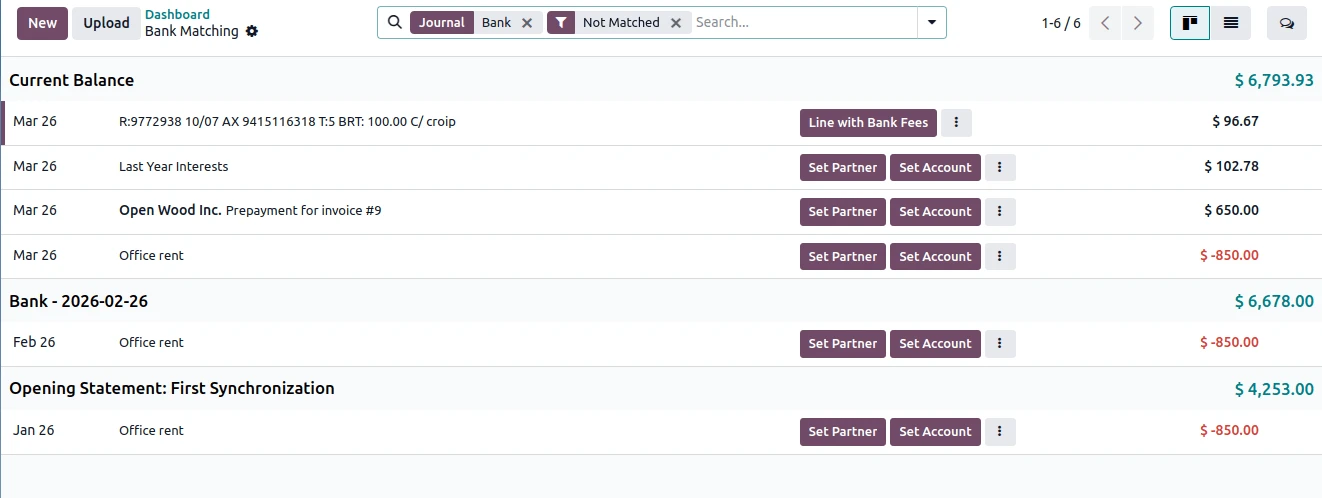
| 3. Deposit | Bank receipt of 15,000 pesos | Sender, purpose and supporting documents | Investigate a transfer, loan or customer payment; connect the contract and CFDI where applicable | Treasury and accountant: supported origin and reconciled entry |
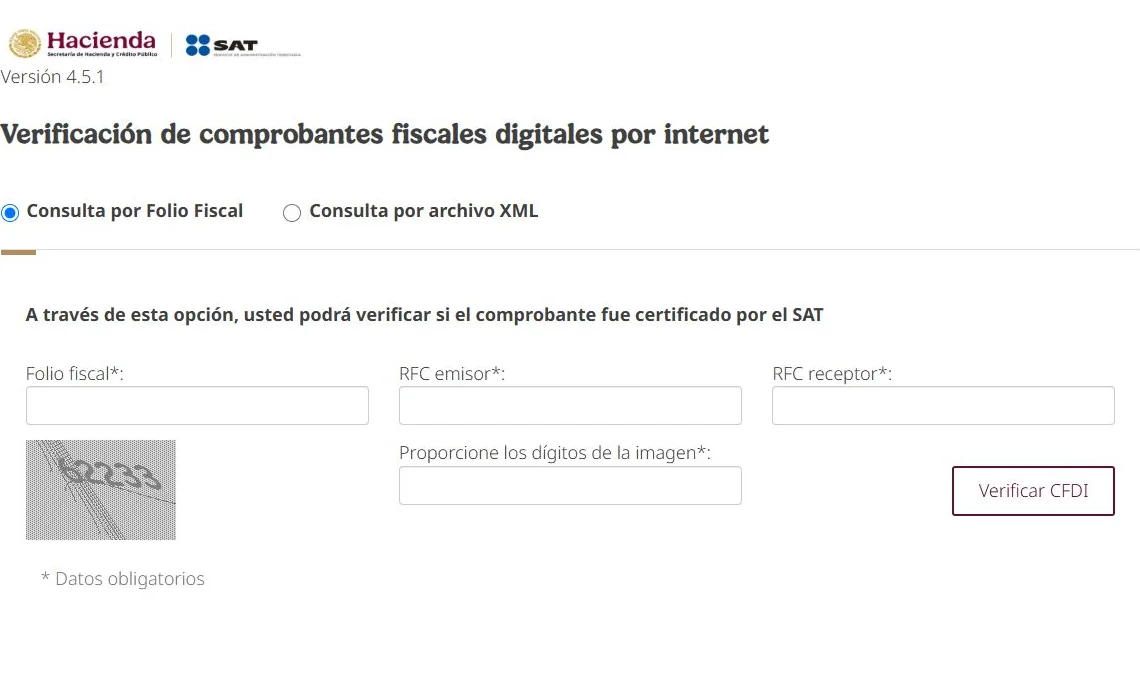
The deposit is not classified as undeclared income simply because it is unidentified. Treasury can locate the sender and transfer receipt; the accountant compares that evidence with a contract, receivable or loan documentation. If a CFDI is found, the SAT verification tool allows verification using its UUID and the issuer's and recipient's RFCs, or the XML. Certification alone does not establish payment, deductibility or actual performance of the service.
Build a focused file that enables action
Articles 28, 29 and 30 of the CFF establish obligations concerning accounting, CFDI issuance and document retention. Distinguish those obligations from the organizational controls recommended here: preserving originals, exporting current records and separating files by issue helps the review, but this particular file structure is not a statutory requirement. Refer to the CFF text.
- Preserve originals and backups. Do not alter documents or delete versions before the discrepancies have been clarified.
- For the official request, gather the complete act, attachments, notification record and evidence responsive to what was requested.
- For invoicing and banking, include XML files, error messages, bank entries for the affected period, accounting ledgers and relevant contracts.
- Add relevant returns, filing acknowledgments, payment references and payment receipts. Submit material connected to each issue first, rather than the entire historical archive.
Track progress without rushing into corrections
Create an issue record containing the confirmed fact, hypothesis, next evidence needed, owner and closure criterion. For example, 'deposit received' is a fact; 'unrecorded sale' is a hypothesis until documents are checked. Keep ongoing tax tasks moving and review findings before changing records or submitting corrections. Responding to the official request does not necessarily mean the entire matter is finished: retain the submission acknowledgment and document outstanding follow-up.
Request written findings identifying the documents reviewed, method used, confidence level and unresolved items. For the technical failure, retain the validation result; for the deposit, retain the reconciliation and supporting evidence. Closure should match the specific problem, rather than rest on a message saying it is done.
Frequently asked questions
Does a bank discrepancy prove that I owe tax?
Not by itself. First identify the transaction and compare it with the accounting records and supporting documents. In this example, the 15,000 pesos is a transaction awaiting explanation, not a tax diagnosis.
Can I close the case based on verbal confirmation?
As a recommended control, no. Request evidence appropriate to the issue: an acknowledgment and follow-up for the official request, invoicing validation or a supported reconciliation. Verbal confirmation can communicate progress, but it does not replace those records.