

The Digital Seal Certificate is critical because it allows stamping CFDI. If it expires, is lost, blocked, or no one knows where the files are, invoicing can stop just when the business needs to collect payments.
The SAT provides information about the digital seal certificate. Operationally, the company must check expiration dates, backups, invoicing providers, and internal alerts before the CSD becomes a commercial problem.
Practical difference between e.firma and CSD
| Element | Main use |
|---|---|
| e.firma | Sign tax procedures, requests, and filings. |
| CSD | Seal digital tax receipts for invoicing. |
| PAC or invoicing system | Stamp CFDI using the authorized CSD. |
What to check each quarter
- Expiration date of the active CSD.
- Availability of .cer, .key files and password.
- RFC and business name configured in the invoicing system.
- Stamping provider and responsible user.
- Internal alerts before expiration.
Risks if the CSD fails
- Unable to issue invoices to clients.
- Delays in collections due to lack of CFDI.
- Using incorrect files in the invoicing system.
- Relying on a single person to solve the problem.
Necessary separation
Do not store CSD, e.firma, and passwords as if they were common files. They have different uses and must have different controls.
Organized renewal process
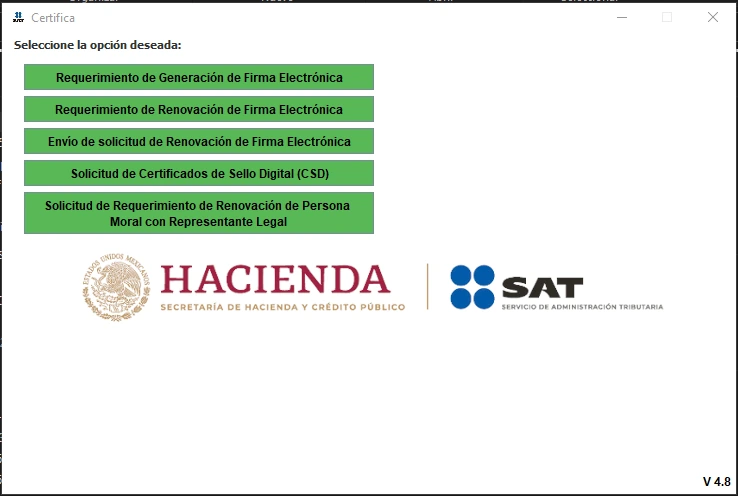
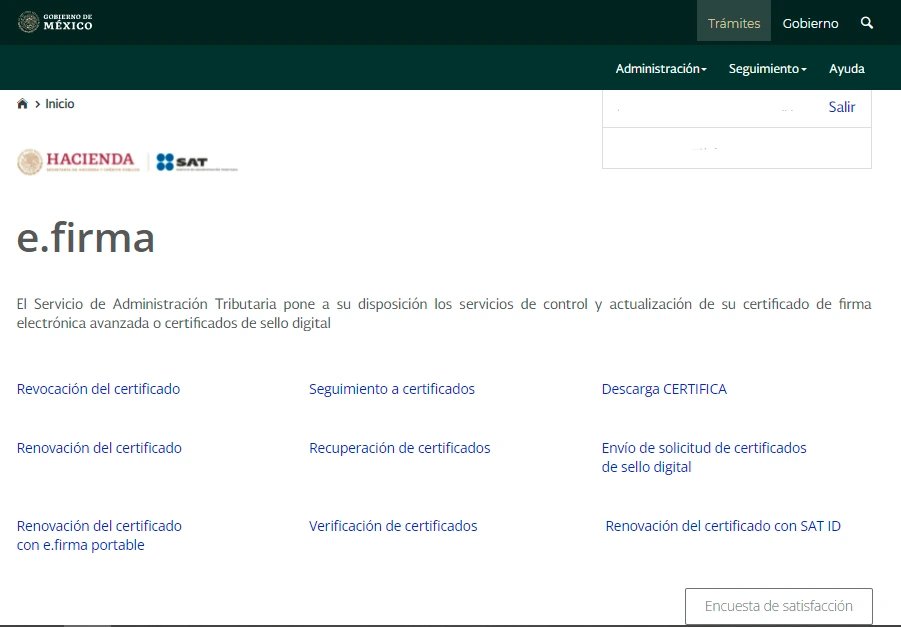
- Check expiration and confirm if there will be a change of system or PAC.
- Generate or renew the CSD with correct files and secure backup.
- Update the invoicing system and perform a controlled test.
- Keep evidence of renewal, date, responsible person, and files used.
- Notify sales and administration that invoicing remains operational.
How Fintax can help
Fintax can review your certificates, separate e.firma from CSD, create expiration alerts, and ensure invoicing does not depend on a single person. The goal is continuous and documented stamping.