
Zero interest describes the rate, not the quality of the purchase
A Mexican MSI offer splits a price into scheduled card payments. It does not make an inflated price, a short-lived purchase, or an unaffordable commitment inexpensive.
To evaluate a zero-interest installment offer in Mexico, look beyond the first payment. Your card must absorb every scheduled installment while you continue paying ordinary purchases and essential household costs. The decision works only if that combined amount remains payable through the last month.
Publicación de InstagramMostrarOcultar
Original Fintax post on when a zero-interest installment purchase makes sense.
Run a five-part decision test
| Test | Question | Warning |
|---|---|---|
| Cash price | Is the installment total the same as the real cash price? | A lost discount or higher price hides a financing cost |
| Useful life | Will the item still create value after the final payment? | The consumption ends before the debt |
| Low-month cash flow | Can you pay during a weak income month? | The plan depends on an unearned bonus or commission |
| Existing installments | What is the full monthly MSI stack? | The new payment was evaluated in isolation |
| Resilience | Does an emergency reserve remain intact? | One repair or medical bill would force revolving debt |
Start with payment capacity, not the card limit
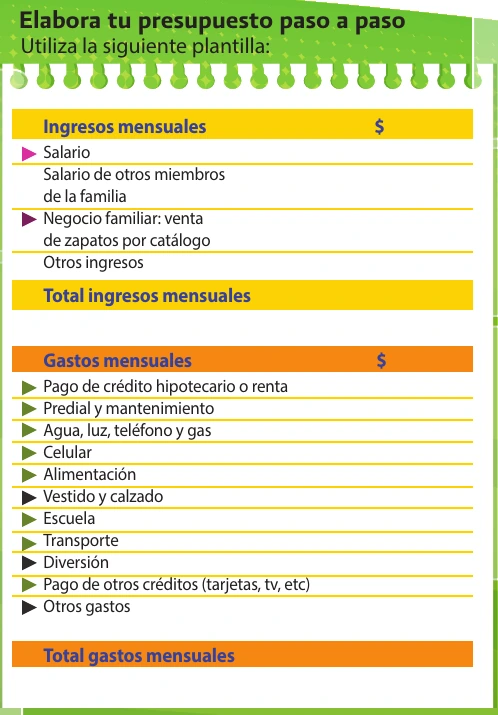
Mexico's CONDUSEF describes payment capacity as income remaining after expenses. People with variable revenue should test a conservative month rather than their best month. A card limit is the issuer's maximum exposure under its rules; it is not a household affordability recommendation.
- Use net income that is already earned and repeatable.
- Subtract housing, food, transport, health, utilities, and other fixed obligations.
- Protect planned savings and a buffer for irregular expenses.
- Add every active installment, loan payment, and recurring card charge.
- Include ordinary card purchases that you intend to pay in full.
- Approve the new installment only if the remaining margin survives a weak month.
A debt ratio is an alarm, not a spending target
General education thresholds cannot account for your rent, dependents, income volatility, or missing emergency fund. A technically available percentage may still be unsafe for your actual budget.
Worked example: affordable alone, fragile in the portfolio
A freelance designer normally nets MXN 28,000 but uses MXN 22,000 as the low-month case. Essential expenses, planned savings, and other credit payments total MXN 18,200. Three existing MSI plans require MXN 2,150. A MXN 18,000 laptop over twelve months adds MXN 1,500, leaving only MXN 150. The laptop may be productive, but this term leaves no credible operating margin.
| Monthly layer | Amount |
|---|---|
| Conservative net income | MXN 22,000 |
| Essentials, savings, and other debt | -MXN 18,200 |
| Existing MSI payments | -MXN 2,150 |
| Proposed laptop installment | -MXN 1,500 |
| Remaining margin | MXN 150 |
Match the term to the useful life
CONDUSEF's card guidance recommends considering whether the product will last longer than the installment debt. Durable work equipment may support a measured term. Groceries, a one-night event, or a rapidly disposable product can leave the cardholder paying for value that disappeared months earlier.
Also stress-test loss, damage, and obsolescence. If replacing the item while the original balance remains would break the budget, shorten the term, make a larger down payment, choose a lower price, or wait.
Read the Mexican credit-card statement correctly
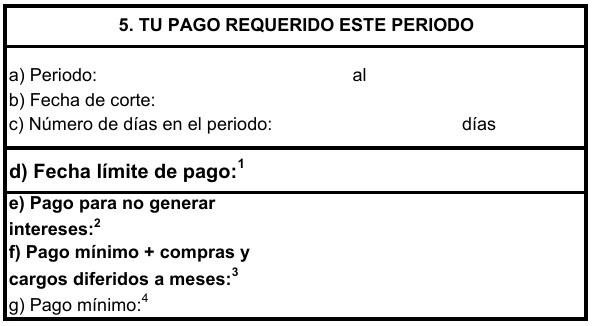
Banco de México explains the distinction among statement date, payment due date, minimum payment, and payment required to avoid interest. An MSI plan sits inside that monthly statement. It does not remove the need to reconcile the statement or prevent unrelated revolving purchases from accruing interest.
| Statement field | What to verify |
|---|---|
| Promotion | Merchant, purchase date, total amount, term, and promised installment |
| Installment progress | Current number, remaining payments, and projected end date |
| Payment to avoid interest | The issuer's current statement amount, not a remembered estimate |
| Payment posting | Effective date, reference, and originating bank |
| Available line | Full-purchase impact and capacity released as payments post |
| Disputes | Prompt action on a missing promotion or unknown charge |
The minimum payment is not the safe MSI strategy
Paying the minimum may keep the account current while leaving an interest-bearing balance. Use the statement's payment-to-avoid-interest amount as the operational reference and read how your contract treats a late or insufficient payment.
Zero interest may still coexist with other costs
- Compare the total installment price with the cash price and competing sellers.
- Include annual card fees, delivery, installation, insurance, or services outside the offer.
- Confirm that the receipt and first statement show the promised term.
- Do not confuse an installment purchase with a cash advance, which has separate pricing.
- Do not finance another person's purchase unless you accept full responsibility to the issuer.
- Keep the receipt and promotion terms until the first correct installment posts.
Build an installment ledger
Banco de México's credit worksheet includes a way to track zero-interest installment purchases. A separate ledger is useful because the total card balance alone does not show when each commitment releases monthly cash flow.
| Purchase | Original total | Monthly payment | Last expected charge | Value after payoff |
|---|---|---|---|---|
| Work equipment | MXN 18,000 | MXN 1,500 | September 2027 | Yes |
| Phone | MXN 12,000 | MXN 1,000 | January 2027 | Likely |
| Trip | MXN 9,000 | MXN 750 | April 2027 | No; test value and margin |
If the installment stack is already too large
- Stop adding promotions and inventory every remaining payment.
- Order due dates and set alerts before the issuer's deadline.
- Reserve the statement payment when income arrives rather than at month-end.
- Prioritize revolving balances that already charge interest.
- Ask the issuer how additional payments are allocated before sending them.
- If a payment will fail, contact the institution before default and compare any alternative in writing.
Frequently asked questions
Is the longest zero-interest term always best?
No. A longer term lowers the current installment but occupies future cash flow and card capacity for more months. Select the shortest term that remains safe through a weak income month.
Does an MSI purchase use the entire credit line?
Typically the full transaction reduces available credit and capacity returns as payments are posted, but the issuer's contract controls the mechanics. Check available credit immediately after purchase.
Can I repay one promotion early?
Ask the issuer for its allocation process first. An extra payment may be applied to the general balance rather than the specific promotion unless the account is instructed correctly.
What if the merchant did not apply MSI?
Keep the receipt and advertised terms, review the first statement, and contact both merchant and issuer promptly. Do not wait through several statement cycles expecting an automatic correction.
Official sources
Use CONDUSEF's 2026 guidance on accumulated zero-interest installments and payment capacity, its credit-card controls, and Banco de México's explanation of statement and payment concepts. The issuer contract and merchant terms govern a specific promotion.