

Between accounting closes, a small discrepancy can remain unresolved because nobody knows who should investigate it. Useful monitoring records what changed since the previous review, what evidence is missing and how resolution will be verified. Its unit of work is the outstanding issue, rather than a folder of files or a monthly report.
Separate weekly controls from notifications
Publicación de InstagramMostrarOcultar
Original Fintax Instagram publication about detecting tax signals before they accumulate.
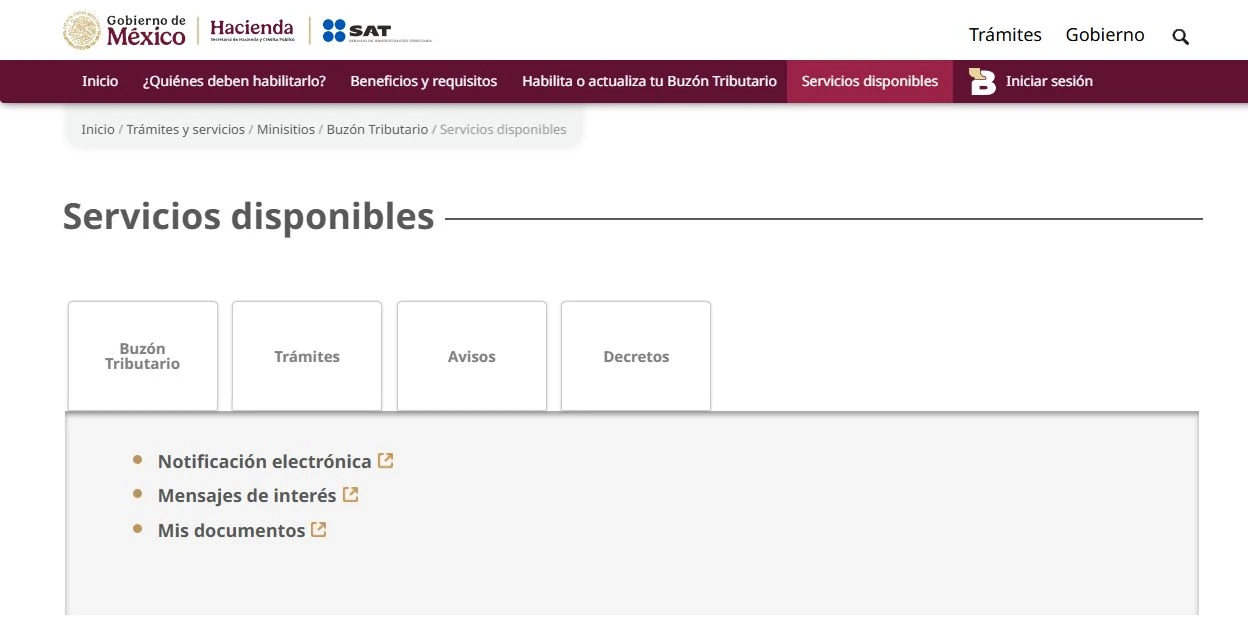
The weekly review proposed here is a recommended internal control, not a universal legal requirement. Notifications follow a separate process: Article 17-K of the Federal Tax Code (CFF) requires checking the Buzón Tributario within three days after receiving the electronic alert. Article 134 provides for electronic notification through the acknowledgment generated on opening or, if unopened, on the fourth day under that article.
The SAT distinguishes alerts, informational messages and notifications. An email or SMS alert indicates a pending document; it should not be confused with the administrative act available in the Buzón. Go directly to the official website and review the document, rather than relying on received links. A new notification takes priority over the weekly meeting.
Create a baseline that reveals changes
At the first review, retain a dated baseline: receipts compared with CFDIs, outgoing payments supported by XML files and bank statements, and tax return payments with their references. Review RFC details when business activity changes and the digital seal certificate, or CSD, status when an actual incident occurs. This selection is an operational recommendation; avoid turning it into an indiscriminate collection of private data.
The baseline should show what was checked and which document supported it. If a file is missing, record that limitation rather than marking the transaction as reviewed. Articles 29 and 29-A of the CFF govern CFDIs and their requirements; having an invoice does not by itself certify the business's overall compliance.
Example: two signals at a stationery business
Assume a stationery business retains evidence of all sales reconciled in week 1 and a valid supplier CFDI. In week 2, a $15,000 transfer appears with a description indicating a transfer between accounts, but no evidence of its origin. The $1,200 supplier CFDI now appears canceled. These are amounts being monitored, not a tax calculation. The deadlines below are internal agreements for this example.
| Date and signal | Previous baseline | Current information | Owner | Missing evidence | Next action | Internal deadline | Verified resolution |
|---|---|---|---|---|---|---|---|
| Week 2: $15,000 transfer | Week 1: sales reconciled | Incoming payment described as between accounts | Administration | Originating account statement and ownership of both accounts | Obtain both statements and trace the transfer | Next business day | Open; resolve with evidence and reviewed classification |
| Week 2: $1,200 CFDI | Week 1: valid, with saved verification | Same UUID canceled | Accounting | Supplier explanation and replacement XML, if one exists | Verify replacement relationship and period treatment | Before the next review | Open; retain verification and conclusion |
The bank description does not automatically make the transfer taxable income or establish that it moved between the business's own accounts. If the statements and account ownership confirm that movement, retain the evidence and reviewed classification. If they do not match, keep the issue open with a specific next action.
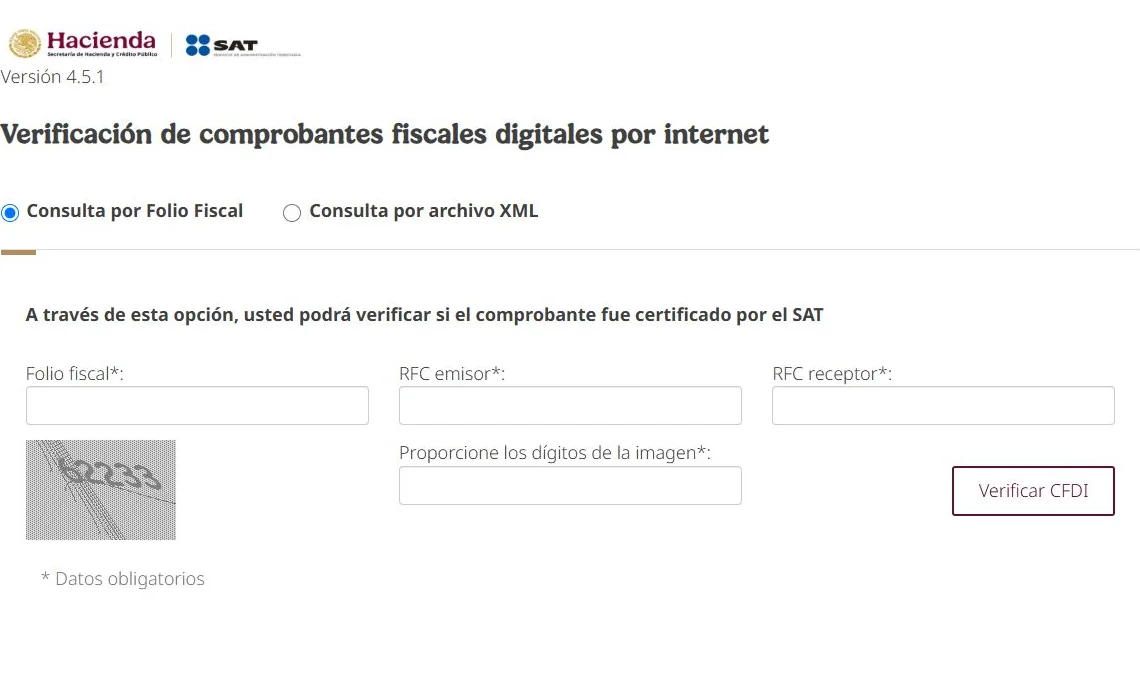
Cancellation does not establish fraud or omitted taxes either. Ask the supplier for an explanation and, if a replacement was actually issued, its XML file. The SAT verification service checks CFDI certification; it does not establish payment, the underlying transaction's substance or deductibility. Verify the replacement, its relationship and the treatment for the period before closing the issue.
Run the log through verified resolution
- Compare new evidence with the previous baseline. Record changes and missing support, rather than balances alone.
- Assign priority: a notification carrying a legal deadline needs separate attention; a documentary discrepancy needs investigation.
- Name an owner, next action and internal target date. Retain references to protected files without publishing banking or tax information.
- Close an issue when verifiable evidence exists: previous and current documents, a reviewed conclusion and a date. Receiving a reply does not equal resolution.
- Assign a primary owner and backup for alerts. A reminder every business day is a recommended control, not a universal daily obligation. Use authorized personal access; do not share passwords or keys.
Do not leave a deadline waiting for a reply
If the document contains an administrative act with a deadline, identify the required attention and its owner immediately. Forwarding it to the accountant does not replace follow-up or justify waiting for the next weekly review.
Frequently asked questions
What should I record if nothing changed?
Record the date, scope, owner and evidence checked. Keep previous outstanding issues open; no new changes does not mean those issues have been resolved.
Is checking the Buzón once a week enough?
Not as a process for handling alerts. The three-day period in Article 17-K cited above requires a process that does not depend on the weekly meeting.
Does bank reconciliation confirm overall compliance?
No. Reconciliation checks whether records correspond; it does not replace reviewing transaction documents, classification and tax treatment.