

When you request quotes from accounting firms in Mexico, several may offer the same thing: "monthly accounting and tax returns." That phrase can cover very different services. Before comparing fees, ask who will review your invoices, how they will check payments and which records you will receive after filing.
Ask to see the monthly handoff
A useful way to compare firms is to request an example of the monthly close package with confidential data removed. It should make responsibilities, pending items, filed returns and retained evidence easy to identify. A clear handoff says more about the service than a long list of generic deliverables.
Be wary of a tax savings promise made before the firm sees your records, checks your tax regime or understands how the business collects and pays. A reliable firm can tell you what it reviews, what you receive after each close and how it reports a difference before filing.
What to ask for before hiring
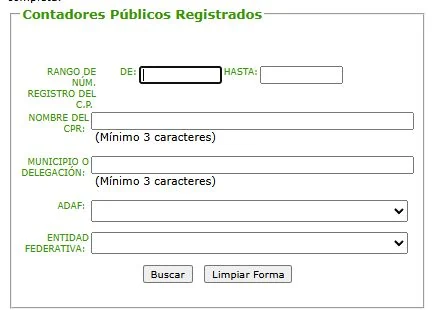
Ask for a redacted sample of a monthly close. It should show the CFDI and bank review, filings completed, SAT acknowledgments, calculations and open items. A firm that quotes "tax filings" without asking about your regime, invoice volume, bank accounts, payroll or open SAT matters does not yet know the workload.
| Area | Evidence to request |
|---|---|
| Scope | List of filings, CFDI work, payroll, Tax Mailbox monitoring and reports included |
| Monthly close | Acknowledgments, working papers, reconciliations and open-item list |
| SAT differences | Named owner, response deadline and documentation process |
| Security | Method for protecting e.firma files, passwords and business records |
Scope changes with the business
| Operation | Accounting work to confirm |
|---|---|
| Freelancer or individual in RESICO | CFDI, withholdings, monthly returns and acknowledgments |
| Business with several bank accounts | Reconciliation by account, collections and cash controls |
| Legal entity with employees | Electronic accounting, payroll, taxes and reports for owners |
| Taxpayer with an open SAT matter | Case file, formal response, deadlines and working papers |
What an accounting firm should solve

An accounting firm receives invoices, bank statements, payroll records and tax notices. It should explain the differences between them. An unpaid customer invoice, for example, will not yet appear as a bank deposit. When recording transactions and preparing returns, the accountant should keep the calculations and the documents supporting them.
For an individual, the main issues are often the tax regime, income actually collected, deductions, VAT and the annual return. A legal entity also needs controls for owner transactions, nondeductible expenses, provisional payments, payroll and financial statements.
At month end, you should be able to answer four questions without chasing the accountant. What was filed? What was paid? What is still open? Which document supports each amount? The close is incomplete if the firm did not collect enough information to answer them.
What to expect each month
- They ask for your tax status certificate, regime, activities and obligations.
- They compare CFDI with bank activity before calculating tax.
- They deliver acknowledgments, working papers or a monthly summary.
- They warn you about pending items before the deadline.
- They explain differences clearly and document decisions.
- They have a secure way to receive documents and answer questions.
Ask when you must send your records and when you will receive the tax calculation. Find out who will help if an invoice is missing or you cannot identify a payment. Agreeing on this at the start avoids discovering near a deadline that both sides were waiting for an answer.
How to compare firms beyond price
Price matters. Comparing fees without comparing scope does not. A low monthly fee becomes expensive when the firm files without support or loses acknowledgments. A high fee is no better if it buys more meetings but no reconciliations or working papers.
Ask every firm the same questions and require written answers in the proposal:
| Question | Why it matters |
|---|---|
| What documents do you review each month? | Clarifies whether they validate evidence or only capture data |
| How do you handle canceled CFDI and payment complements? | Prevents gaps between invoices, banks and filings |
| What do you deliver after filing? | Without the acknowledgment, calculation and summary, you cannot reconstruct the close |
| How do you warn about pending obligations? | Compliance needs a calendar, not improvisation |
| What happens if SAT shows differences? | There must be a review and response path |
You can use the Fintax services scope as one reference when comparing deliverables, even if you are considering other firms. A final proposal should separate recurring monthly work from procedures billed on request.
Common hiring mistakes

Asking for "just filings" often leaves the real problem untouched. Submitting a return can take minutes. Rebuilding months without reconciliations, correcting CFDI or proving deductions takes much longer.
Physical proximity is not proof of control. Searching for an "accounting firm near me" makes sense when you need onsite visits or paper records handled locally. For monthly work, secure document exchange, stated response times and a complete close file matter more.
Vague scope is another common mistake. Monthly accounting, payroll, annual returns, SAT procedures, compliance opinions, invoicing, IMSS and INFONAVIT work are not always included. The proposal should separate included work, add-ons and the price for anything outside the plan.
What to review before signing
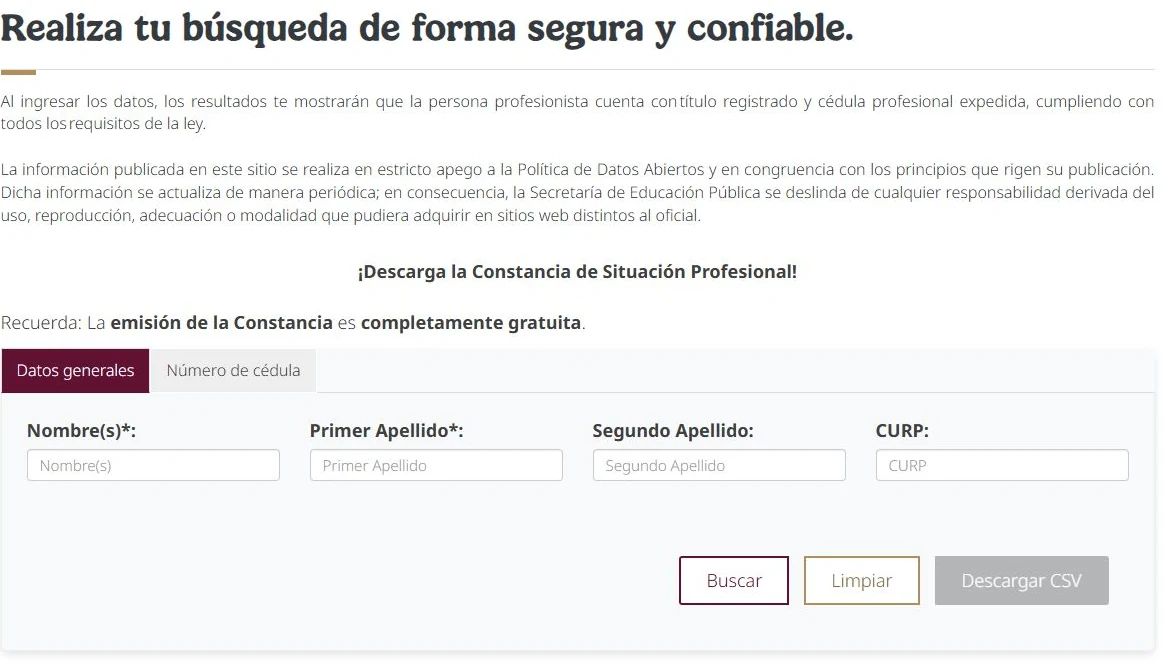
Gather this information before requesting quotes:
- Download your tax status certificate.
- List your current tax obligations.
- Gather recent filing acknowledgments.
- Identify banks, payment platforms and income sources.
- Confirm whether your e.firma is current.
- Find canceled CFDI, pending payments and complements.
- Note any procedure or SAT difference that remains open.
These details let the firm estimate the actual workload. They also expose a generic price that will later grow through add-on charges.
Put the monthly agreement in writing
Ask the firm to list the files you will receive each month and their delivery dates. Include how it will report unfinished work. Keep a copy so you can compare the service with what you agreed to pay for.
When to switch accounting firms
If you do not receive filing acknowledgments or cannot understand the tax calculation, ask for an explanation and the missing records. Consider changing firms if they do not provide them or the problem keeps recurring. Before switching, arrange the transfer of your files and agree on who will handle the next returns due.
Growth can force a change even when the former service was adequate. Payroll, imports, owners, large customers or several bank accounts require different controls. Revisit the scope before the business outgrows the firm.
Frequently asked questions
What does an accounting firm do?
It organizes financial and tax records, calculates taxes, files returns, reviews CFDI, reconciles bank accounts and keeps the supporting evidence. Payroll, IMSS and INFONAVIT work may be included, but the contract should say so.
How do I know if an accounting firm is reliable?
It should explain how it closes each month, request the necessary records and deliver acknowledgments with the underlying calculations. It should also work with deadlines and named owners. Results promised before reviewing your data are a warning sign.
Is a remote accounting firm a good option?
Yes, if it uses a secure document channel, reports progress and states response times. Office location does not replace reconciliations, acknowledgments or a reviewed monthly close.
How much does an accounting firm cost?
It depends on the tax regime, CFDI volume, bank accounts, payroll and required filings. A serious quote comes after the firm reviews those facts and separates any additional services.
Official links to complete the task
Open official services from a new browser tab, confirm the taxpayer and period, and save the resulting acknowledgment or evidence with the case.