

Three to six months is a reference, not an automatic number
Size the fund from essential spending and income risk. A stable salaried worker in a dual-income household with broad insurance does not need the same runway as a seasonal independent worker with dependents.
An emergency fund is not a generic account for anything unexpected. It is a reserve with rules: severe events qualify, essential obligations stay funded, and expensive debt is avoided. A useful design needs a target, liquidity layers, a withdrawal protocol, and replenishment.
Publicación de InstagramMostrarOcultar
Original Fintax post on the purpose of an emergency fund.
1. Calculate essential spending, not income
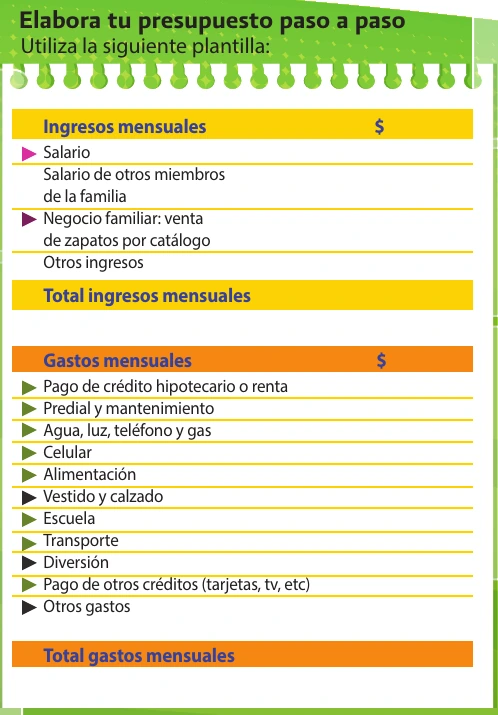
CONDUSEF's February 2026 guidance uses three to six months of fixed expenses and recommends a separate, safe, accessible account at a formal institution. Turn that reference into a personal target by classifying what must continue during disruption.
| Include | Examples | Do not automatically include |
|---|---|---|
| Housing | Rent or mortgage, essential upkeep | Renovation or furniture |
| Food | Basic groceries and medical diets | Routine dining out |
| Utilities | Power, water, necessary connectivity | Optional subscriptions |
| Mobility | Transport for work and care | Trips or vehicle upgrades |
| Health and care | Medication, insurance, dependents | Discretionary spending |
| Debt and duties | Minimums, taxes, support | New financed purchases |
Use a real month rather than an aspirational budget and review three months for irregular bills. A practical formula is essential monthly spending × coverage months + specific deductibles or risks not already inside that spending.
2. Choose months from income fragility
| Factor | Lower pressure | Higher pressure |
|---|---|---|
| Income | Stable payroll | Freelance, commission, seasonal |
| Household | Two uncorrelated incomes | One provider |
| Dependents | Limited obligations and support network | Children, older adults, intensive care |
| Employment | Liquid skills and fast hiring | Specialized role with long search |
| Coverage | Insurance and deductibles funded | Material uninsured risk |
| Debt | Low fixed obligation | High inflexible payments |
If savings are zero, make one month the first destination and expand. Three months may fit stable income; six or more may fit slow income recovery. Write down the assumptions so the target can change when the household changes.
3. Build liquidity layers
| Layer | Purpose | Condition |
|---|---|---|
| Immediate | Resolve hours or a few days | Simple access without penalty |
| Operating | Fund the first month | High liquidity, separate account |
| Reserve | Fund later months | Low risk, compatible maturity |
The entire fund need not sit in a spending account. But extra yield does not compensate for a long delay, capital loss, or withdrawal penalty during a crisis. For every layer, ask how long transfer takes, what happens on weekends, what withdrawal costs, and whether principal fluctuates.
Available credit is not an emergency fund
A credit line can be reduced, blocked, or charged interest. It may bridge hours while liquid savings move, but it does not replace reserved cash.
4. Verify institution and protection
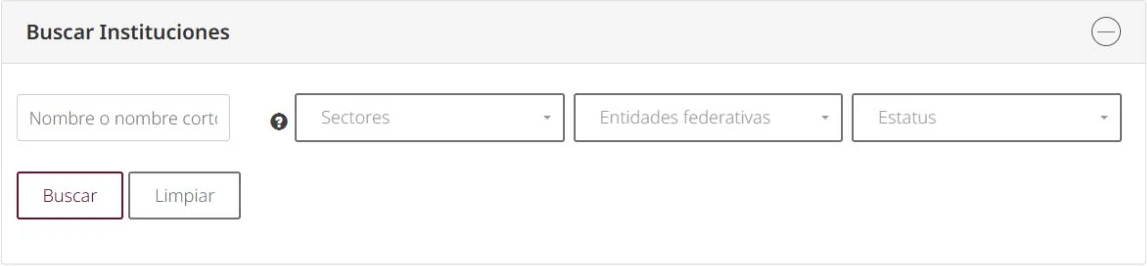
Look up the institution in CONDUSEF's SIPRES and identify the deposit-protection regime for the entity and product. For banks, IPAB states coverage up to 400,000 UDIs per person per bank for covered obligations; the peso equivalent changes with the UDI.
- Verify the legal entity, not only the app name.
- Confirm the product is a covered deposit and understand exclusions.
- Do not place the core reserve in someone else's account or unclear ownership.
- Register beneficiaries and retain contract, statement, and recovery access.
- If balances exceed applicable limits, review institutional diversification without sacrificing liquidity.
5. Automate a protection ladder
CONDUSEF's January 2026 “Pay yourself first” guidance recommends separating savings when income arrives and automating it. Use milestones that create protection before the final target is reached.
| Milestone | Target | Risk reduced |
|---|---|---|
| Starter | One essential week | Small shock without a card |
| Stabilizer | One essential month | Short income interruption |
| Base | Three adjusted months | Job search or recovery |
| Personal goal | Months from the risk matrix | Long disruption |
With variable income, automate a small floor and add a percentage of exceptional receipts. A sustainable deposit is better than a large one withdrawn before the next month.
What qualifies
| Event | Use fund? | Test |
|---|---|---|
| Income loss | Yes | Protects housing, food, and obligations |
| Uncovered urgent care | Yes | Delay would cause harm |
| Essential repair | Yes | Protects housing, work, or safety |
| Seasonal discount | No | Purchase can wait |
| Predictable annual bill | No | Needs a separate sinking fund |
| Holiday or gift | No | Goal rather than crisis |
Withdrawal protocol
- Name the event and confirm it is urgent, necessary, and unplanned.
- Withdraw the amount needed for the next stage rather than the entire fund.
- Record date, amount, layer, and remaining runway.
- Pause discretionary goals before consuming future reserve months.
- Set replenishment when the event stabilizes and automate the first transfer.
Worked target
A household spends MXN 24,000 in total but MXN 16,500 is essential. One worker is salaried and the other is project-based; they care for an older adult and have a MXN 12,000 medical deductible. They select five months—MXN 82,500—plus the deductible, for MXN 94,500. The target documents the risk rather than multiplying income or all spending.
Review every six months
- Essential spending or dependents changed.
- A debt ended or a new obligation appeared.
- Income became more or less stable.
- Insurance coverage or deductible changed.
- Institution, product, yield, or withdrawal term changed.
- Beneficiaries and emergency access remain current.
Frequently asked questions
Should debt be paid before any saving?
Build a starter reserve that prevents the next shock from creating debt, then coordinate faster repayment with fund growth based on cost, risk, and cash flow.
Can the whole fund be invested?
Only when each layer preserves safety and liquidity compatible with its horizon. The primary objective is availability during income loss or urgent need, not maximum return.
Does the fund pay an annual service bill?
Not when it was predictable. Use separate sinking funds for insurance, tuition, taxes, maintenance, and other dated costs.
When do contributions stop?
At the target, redirect deposits to other goals while maintaining inflation adjustments and replenishing withdrawals.
Official sources
Use CONDUSEF's 2026 guidance on emergency funds and automated saving, its SIPRES registry, and IPAB's current 400,000-UDI bank-deposit coverage.